



Archive for the ‘dental bridge’ Category

Central Leeds dentist restores smile with dental bridge

Thursday, December 3rd, 2009

A dental bridge is an artificial tooth that is anchored on to existing teeth either by using two adjacent dental crowns or resin-bonded strips. The artificial tooth, known as the pontic, is fused between the crowns or strips to create the appearance of a natural tooth and restore the appearance of the dental arc.

Teeth can be missing for a variety of reasons, including sporting injury, decay or even simply old age. Missing teeth not only have dental consequences by causing other movement in the dental arc but they can also be the source of great embarrassment and self-esteem issues.

Teeth act as rigid supports for the facial muscles and one or more missing teeth can alter the way the tissue appears on the face. Ultimately it can cause irreversible tissue sagging that can add years to the appearance of a patient. Missing teeth can also cause movement that leads to painful jaw conditions called TMJs and teeth grinding. It can also have negative impacts on speech and eating methods.

Replacing missing teeth with artificial dental substitutes can help avoid any alteration in profile and reduce the strain on the teeth either side of the missing tooth. This can also help prevent gum disease and bacteria build up in the hollow left by a lost tooth.

Dental bridges are usually made from porcelain and porcelain bonded metal. For the more extroverted patient they can also be manufactured from gold. They normally take at least two appointments at the dentist to allow for crowns and resin to set before the pontic is fixed. If properly cared for with correct brushing and cleaning, a dental bridge can last for up to fifteen years. If you are suffering from a missing tooth and are looking for an artificial replacement, ask a Central Leeds dentist about a dental bridge.

Central Leeds dentist replaces missing tooth with dental bridge

Saturday, November 14th, 2009

Having a missing tooth can be very embarrassing and the source of low self-confidence and self-esteem. It can make people reluctant to smile and avoid eye contact, two of the most important communication methods we have. However, it is not just psychological damage that is done by a missing tooth. Teeth act as rigid supports for facial muscles and a missing tooth or teeth can cause facial muscles to sag. This gives a sunken appearance that makes the patient look older.

A gap from a missing tooth can also cause the other existing teeth to lean into it. This can cause interruptions in bite (the way the top and bottom teeth sit together) which can lead to painful jaw conditions called TMJs and subconscious teeth grinding, also known as bruxism. The hollows left by teeth can also be the breeding grounds for bacteria because they are difficult to clean with regular toothbrushes.

It is important therefore to replace the missing tooth as soon as possible. There are several options available to replace a tooth, but one of the most popular choices is called a dental bridge. This involves using artificial crowns on either side of the gap to support an artificial tooth or teeth, also known as the pontic.

There are three main types of dental bridge. The traditional fixed bridge, as mentioned above that uses crowns to secure the pontic; the resin-bonded bridge where the pontic is supported by resin bonded strips fixed to the adjacent teeth (only suitable for patients with strong existing teeth); and the cantilevered bridge where there is only an existing tooth on one side of the gap so the pontic will be cantilevered against two or more teeth on that side.

Dental bridges can last up to ten years if properly maintained and provide an adequate replacement for a real tooth. They preserve the position of the other teeth and act as support for the facial muscles. They provide the aesthetic appearance of normal teeth and help maintain a healthy looking profile. If you suffer from missing teeth ask a Central Leeds dentist about dental bridges.

City of Leeds dentist replaces missing tooth with dental bridge

Tuesday, September 29th, 2009

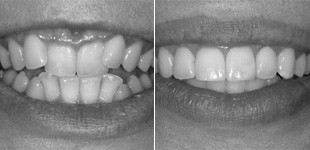
For patients suffering from a missing tooth or teeth, one cosmetic procedure that can restore the appearance of a full set is a dental bridge. By bonding a dental bridge to existing teeth either side of the gap, a dentist can create a natural looking and seamless artificial bridge.

Dental bridges are a tried and tested method of cosmetic dentistry that not only enhance the visual appearance of the teeth but can have other more significant and long lasting benefits. If left untreated, the gaps left by missing teeth can have adverse effects on the remaining natural teeth of a patient. Teeth either side of the hole will naturally lean into the empty space. This will have a negative effect on the bite and profile of the patient and can cause sagging of the facial muscles giving a sunken appearance. Even slight adjustments in bite can lead to uncomfortable irritation and unconscious teeth grinding, known as bruxism, which can have very detrimental effects on the teeth. It is also common for bacteria to thrive in the hollows left by missing teeth unless a very strict regime of oral hygiene is observed.

The three main types of dental bridge are the traditional fixed bridge - when the bridge is attached to two crowns, one either side of the bridge; the resin bonded bridge - when the bridge is bonded to existing teeth with metal strips and composite resin usually for patients with healthy existing teeth; and the cantilever bridge - when there are only existing teeth on one side of the missing tooth and the bridge needs to be secured to two or more teeth on that side. A City of Leeds dentist will be able to assess which bridge will be most effective for you.

Usually requiring several visits to the dentist to fit, a dental bridge is usually a fairly pain-free procedure that can restore the appearance of natural teeth for up to seven years, with good cleaning, oral hygiene and regular check ups with a City of Leeds dentist.