



Root Canal Treatment in Central Leeds can make a Big Difference to Your Smile

April 27th, 2012

What is root canal treatment?

Root canal therapy is a very common procedure, which is used to treat teeth that have been infected by bacteria. Root canal therapy is designed to treat advanced cases of decay and can save infected teeth, which could instead need extraction. Many people shudder when they hear the words root canal treatment, but the procedure is very effective and relatively straight-forward and it can make the difference between saving and losing a tooth.

What does the procedure involve?

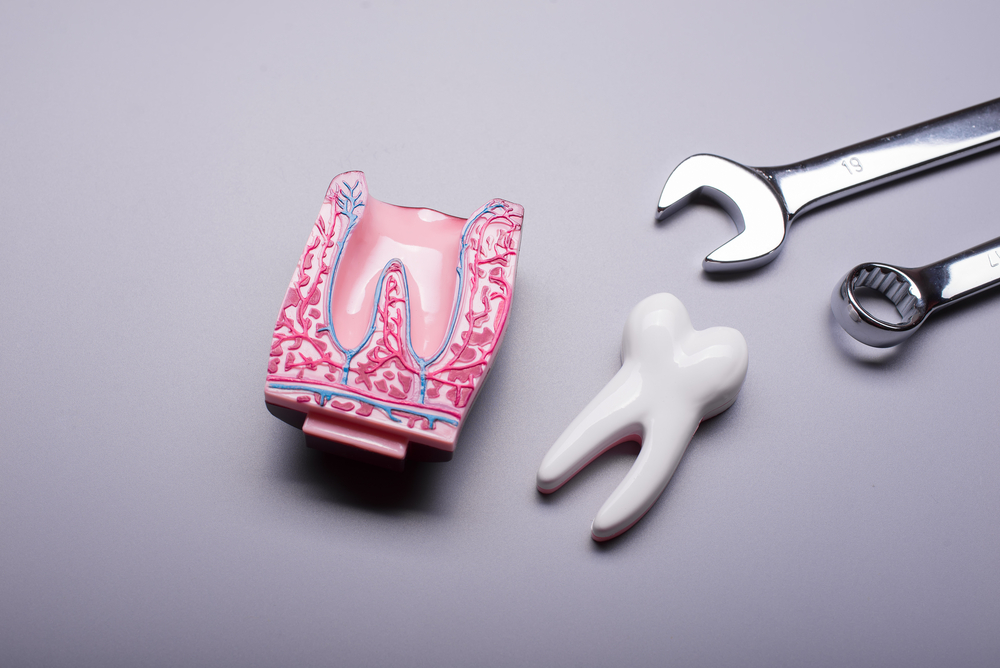
The actual procedure involves removing decayed, infected pulp tissue from the tooth. Your Central Leeds dentist will drill through the affected tooth to reach the root canals, before removing the rotten pulp tissue and cleaning the root canals thoroughly. Once the root canals have been cleaned, filling material (called gutta percha) is inserted to seal the canals and thwart more infection. It is carried out under local anaesthetic to prevent discomfort during the procedure

Why would I need root canal treatment?

You may need root canal treatment if you have an infection that has arrived at the pulp of the tooth. The pulp contains the living tissue, including the blood vessels and nerves and if infection reaches the pulp chamber, the tooth effectively starts to die. Rot canal treatment is used to save and restore an infected tooth. You may also need root canal treatment if you have a tooth that has been badly harmed as an outcome of an injury or accident and root canal treatment is also used to treat abscesses.

Gum Disease and Other Dental Problems in the City of Leeds

April 26th, 2012

Gum disease is a common problem, which causes the gums to become inflamed and sore. The early stage of gum disease is known as gingivitis and advanced gum disease is called periodontal disease or periodontitis.

Gingivitis

Gingivitis is a mild form of gum disease, which causes bleeding gums, sore gums and inflammation. Gingivitis is very common and it can usually be treated very effectively if diagnosed early. However, if gingivitis is left untreated, it will progress into periodontitis, which is much more difficult to treat. Most people experience mild gum disease at some point in their lives, but the condition is largely preventable.

Periodontitis

Periodontitis is a severe form of gum disease, which causes pockets to develop amid the teeth and the gums, which makes the teeth come loose and eventually fall out. These pockets can also become breeding grounds for bacteria and abscess may start to develop. Periodontitis does not just affect the gums, it also affects the surrounding structures, including the alveolar bone and the periodontal ligament, which connects the tooth to the tooth socket in the alveolar bone.

Treating gum disease

Root planing and scaling, teamed with good oral hygiene, is usually an effective treatment in the City of Leeds for mild cases of gum disease, however, advanced cases of gum disease are much more difficult to treat. In cases of severe gum disease, surgery to remove the tooth may be the only option.

Keeping Tabs on Your Oral Hygiene is Important in Leeds

April 25th, 2012

A good oral hygiene regime is the key to preventing oral health diseases and keeping the teeth and gums strong and healthy.

What should a daily oral hygiene routine involve?

Dental hygiene is essential from a very early age and children should be taught to brush their teeth as soon as their first teeth start to develop. Electric and manual toothbrushes are both effective, but studies have shown that electric toothbrushes remove plaque more effectively and some people also find it easier to brush with an electric toothbrush.

Oral hygiene treatments

Our City Dental Leeds dental hygienists provide a very effective service, which can help to prevent oral health diseases and treat existing conditions. Hygienists offer intensive cleaning treatments, which provide a much deeper clean than brushing, and target areas that are prone to plaque and tartar development. Dental hygiene services also help to make the teeth look glossier and healthier and can reduce surface staining.

Why is oral hygiene so important?

Oral hygiene is essential for good oral health and studies have also shown that poor oral hygiene, which is a cause of oral diseases, can also contribute to an increased risk of serious, life-threatening health conditions, including heart disease, strokes and diabetes. Poor oral hygiene causes the teeth to look unhealthy, as well as increasing the peril of gum disease, abscesses and decay and this can have implications for an individual’s confidence.

Choosing Dental Crowns in Central Leeds is Always a Good Decision

April 24th, 2012

A dental crown is a form of restorative treatment, also called a cap, and is used to give strength to any teeth that are decayed or damaged. The crown fits above the current tooth and helps to prevent further damage. Crowns come in a selection of materials, which include precious metals, ceramic materials, including porcelain and ceramic fused with metal.

Why choose a dental crown?

If a tooth is damaged as a result of injury, decay or an accident, a dental crown is a suitable treatment option. Crowns are used to bolster and restore the teeth, creating a more aesthetically pleasing and functional smile. Crowns help to reduce the risk of further damage to the tooth.

What does dental crown treatment involve?

Before a tooth can be crowned, it must be prepared, so your Central Leeds dentist will remove decayed tissue, clean the tooth and prepare the tooth using a special instrument called a burr. An impression will first be taken and the crown will be manufactured according to the mould. Once this is done the new crown will be placed over the top of the tooth and fixed into place.

How long does a crown last?

The lifespan of a crown depends on how well you look after your teeth. If you stick to an effective dental hygiene routine and avoid eating and drinking sugary and acidic foods and drinks, your crown should last several years. Regular dental check-ups are also very important.

Whitening Teeth in the City of Leeds is one Step Away

April 23rd, 2012

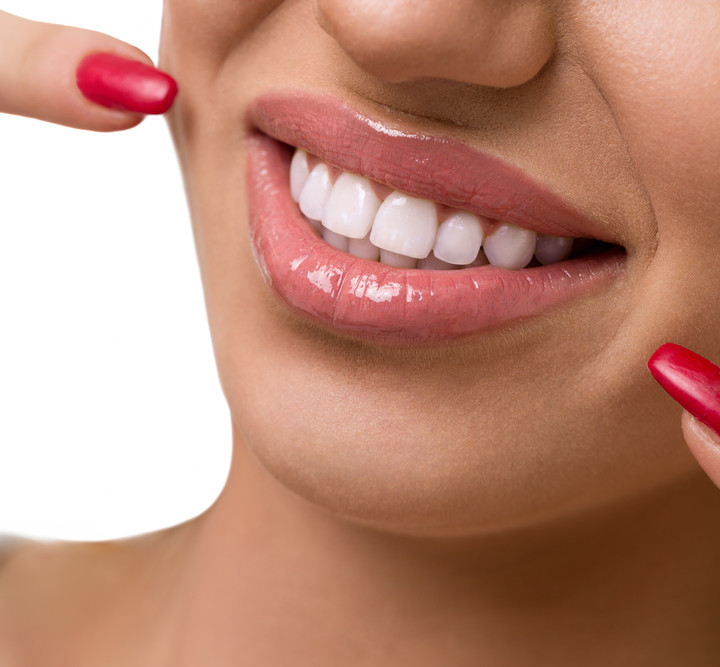
Tooth whitening treatments have become increasingly popular over the last decade as people look for ways to enhance the look of their smile. Numerous celebrities have sported the results of whitening treatment and this has inspired many people to follow suit and visit their dentist for A-list treatment. Whitening is one of the most effective and affordable ways of giving your smile a makeover and the results are amazing.

Enlighten whitening

At our dental practice in the City of Leeds we are delighted to offer clients the world’s leading whitening treatment, Enlighten. Enlighten rapidly became a favourite with Hollywood’s finest and appeared on television makeover shows and now it is accessible to all. The Enlighten whitening system combines home whitening treatment with professional treatment to ensure amazing, long-lasting results.

What does treatment involve?

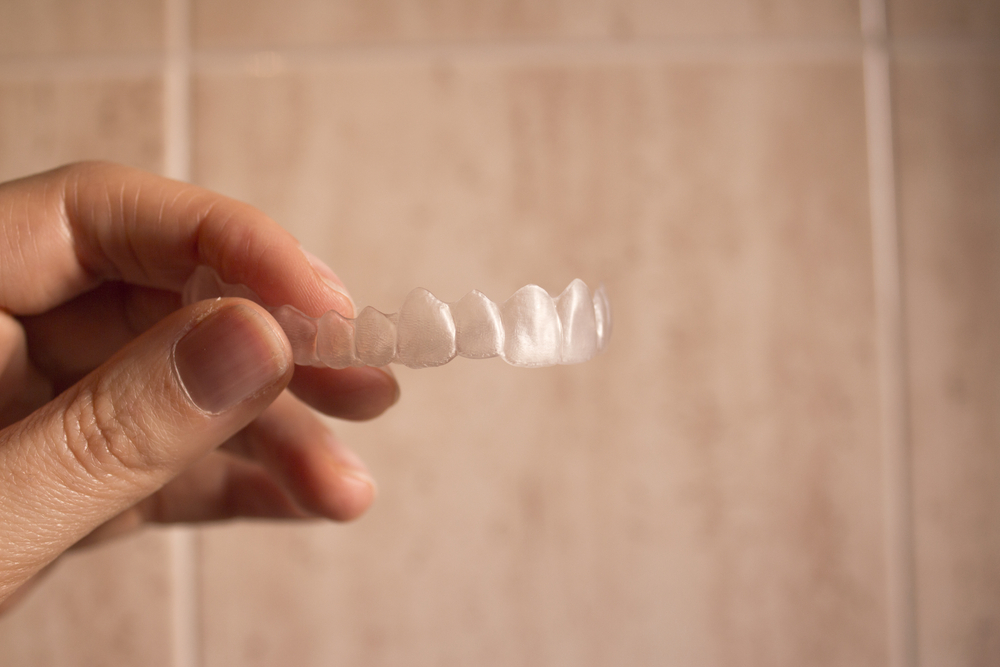
Enlighten treatment involves wearing a custom-made tray, which contains whitening agent for 2 weeks. Most people wear the tray during the night so that it does not interfere with their normal daily routine. On the 15th day, we will invite you to come into the surgery for a 1 hour professional whitening treatment to give your teeth a final boost and a gorgeous glossy glow.

Is whitening safe?

Tooth whitening is very safe when provided by a trained dentist and the results are amazing. Some people experience sensitivity to hot and cold foods and drinks after whitening treatment, but this tends to subside very quickly.

Lasers are Changing how the World of Dentistry Works…in Leeds

April 22nd, 2012

Laser technology is becoming increasingly widespread and lasers are now used in several different industries and have made a massive impact on the way we do things in modern society. Lasers have revolutionised dentistry and laser technology is becoming an increasingly important entity in dental practices across the world.

What are lasers used for in dentistry?

Lasers are becoming increasingly commonplace for dentists in Leeds and they have a range of different uses. Laser technology is used for gum contouring, a procedure which involves removing very tiny pieces of the gum tissue to create a more attractive smile for patients who have a gummy smile, which occurs when there is a large amount of gum tissue covering the teeth. Lasers are also used to remove decayed tissue, kill bacteria, whiten teeth, treat gum disease and remove lesions. Laser technology can also be used to take biopsy samples for analysis.

What are the advantages of laser treatment?

Laser technology has many benefits, for both patients and dentists, which include:

  • Faster healing times.
  • Reduced risk of infection.
  • Painless treatment.
  • Greater comfort for patients, especially those with dental phobia.
  • Reduced bleeding.
  • Increased accuracy.

CAD/CAM Technology is Making Great Strides for Dentistry in Central Leeds

April 21st, 2012

What is CAD/CAM technology?

CAD stands for computer aided design, while CAM stands for computer-aided manufacturing. CAM/CAD technology is used in dentistry to produce bespoke restorations and orthodontic appliances.

Restorations

CAD/CAM technology is used to produce custom-made restorations, including:

  • Crowns
  • Dental bridges
  • Veneers
  • Inlays
  • Onlays
  • Dental implant restorations

Cerec is the most well-known form of CAD/CAM software, which allows dentists to design, manufacture and fit brand new restorations all in the same day.

What are the advantages of CAD/CAM technology?

CAD/CAM technology has numerous benefits, for both dentists and patients in Central Leeds:

  • Decreased treatment time.
  • Increased patient involvement.
  • Increased control for the dentist.
  • Increased accuracy.
  • Fewer dental visits, which reduces the number of injections, which is particularly beneficial for nervous patients and those with a fear of needles and injections.
  • Bespoke restorations.
  • Reduced production costs.
  • Increased convenience for the patient.

Don’t Let Wisdom Teeth Ruin Your Well-being in the City of Leeds

April 20th, 2012

Adults have 32 teeth, four of which are known as wisdom teeth. Wisdom teeth develop last of all. Typically, they start to erupt at the ages of between 16 and 20, but this can vary greatly and some people do not develop any wisdom teeth.

Problems with wisdom teeth

Wisdom teeth are often associated with pain because there is usually not enough space in the jaw for the teeth to be positioned comfortably. This is believed to be because human jaws have decreased in size over the ages as a result of changes in our diet. Most people assume that their wisdom teeth are going to cause them problems and pain, but this is not always the case and most people do not require treatment.

Some people experience pain and inflammation when their wisdom teeth push through and this can make it difficult to clean the teeth properly, thus increasing the risk of oral health diseases.

Impacted wisdom teeth

Impacted wisdom teeth are teeth that have not been able to erupt fully and as a result of this they get so far and then become stuck against the neighbouring teeth. In some cases, impacted wisdom teeth may be removed.

Wisdom tooth removal

In cases where there is no room for the wisdom teeth or the teeth are causing problems, your City of Leeds dentist may advise extraction, but the risks will always be weighed up against the benefits. If you are worried about having teeth extracted, please do not hesitate to talk to us and we will do everything we can to make you feel comfortable and relaxed.

A Knocked out Tooth can Ruin Smiles in all of Leeds

April 19th, 2012

How do people lose teeth?

Many people lose teeth prematurely, which can occur as a result of a sports injury, accident or trauma, fighting or as a result of a severe fracture that may be caused by biting something very hard.

What should you do if your tooth is knocked out?

If you lose a tooth it may be possible to salvage it if you can see a dentist quickly. Keep hold of the tooth and store it in milk and arrange to see your Leeds dentist as soon as possible. Do not try to scrub the tooth, as you may damage the enamel and hold the tooth by the crown to prevent damage to the tooth roots.

What happens when I see my dentist?

If it is possible your dentist will try to save the tooth and try to implant it back in the tooth socket. You could try and do this yourself, but many people feel uncomfortable trying to re-insert their own tooth.

What happens if the tooth cannot be saved?

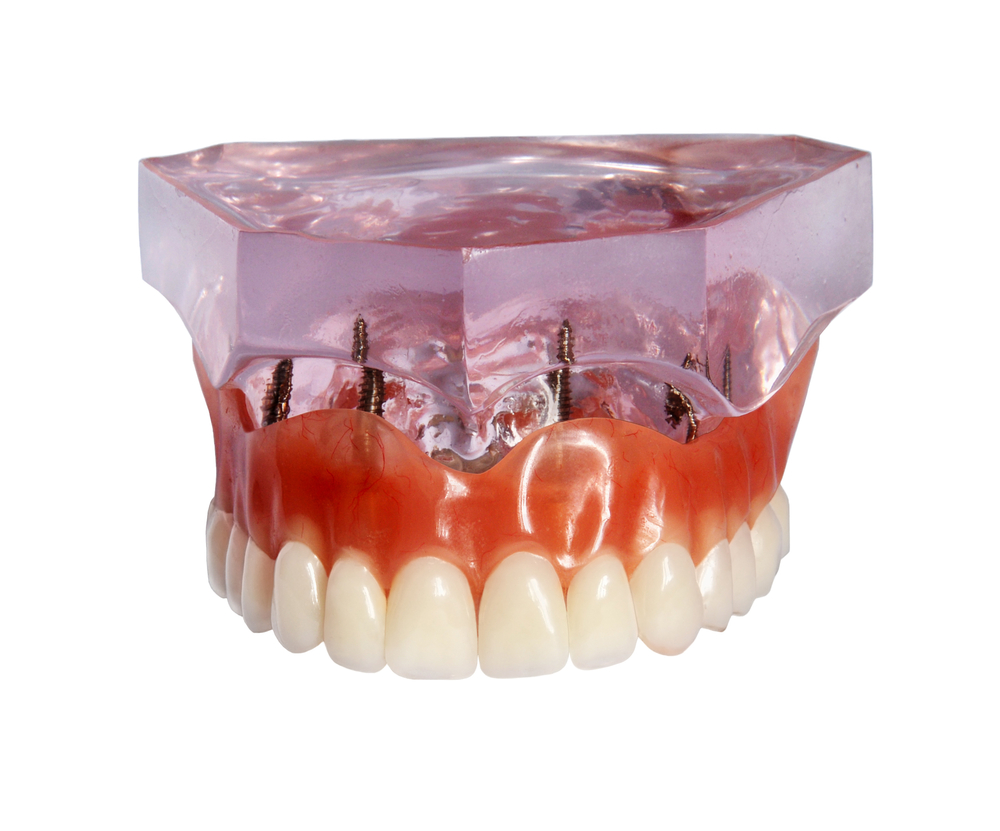
If the tooth cannot be saved, there are options for filling the gap. Dental implants are widely regarded as the most effective long-term tooth replacement. Implants are titanium screws, which are fixed into pre-drilled sockets in the jawbone. Once the implant has settled, a new crown or denture can be attached and the tooth will look like a natural tooth and function in exactly the same way. Another option is a dental bridge and for people who have lost a number of teeth, dentures may be an option.

TMJ Problems can Dramatically Affect One’s Health in Central Leeds

April 18th, 2012

What is TMJ disorder?

TMJ (temporomandibular joint) disorders affect the temporomandibular joint, which is located just in front of the ear. The joint connects the jawbone (known as the mandible) to the skull (close to the temple) and is responsible for many movements, including yawning, opening and closing the mouth and biting. In most cases, TMJ disorder causes pain in the jaw and restricted movement in the TMJ. TMJ disorder is also known as TMJ pain, TMJ dysfunction and myofascial pain disorder.

TMJ disorder is common and around 1 in 10 people will experience symptoms of TMJ disorder at some point in their lives.

What are the symptoms of TMJ disorder?

  • Symptoms of TMJ disorder found in Central Leeds include:
  • Pain when biting down and chewing on food.
  • Restricted movement in the TMJ joint, which may make yawning and opening and closing the mouth difficult.
  • Clicks and noises when you move the joint.
  • Symptoms affecting the ears, including increased sensitivity to noise and vertigo.
  • Locking of the jaw.
  • Headaches

What causes TMJ disorder?

TMJ disorder can be caused by many different factors, including over-activity of the jaw, which may be caused by grinding and clenching the teeth and damage to the joint, which may be caused by arthritis or general wear and tear.

Treating TMJ disorder

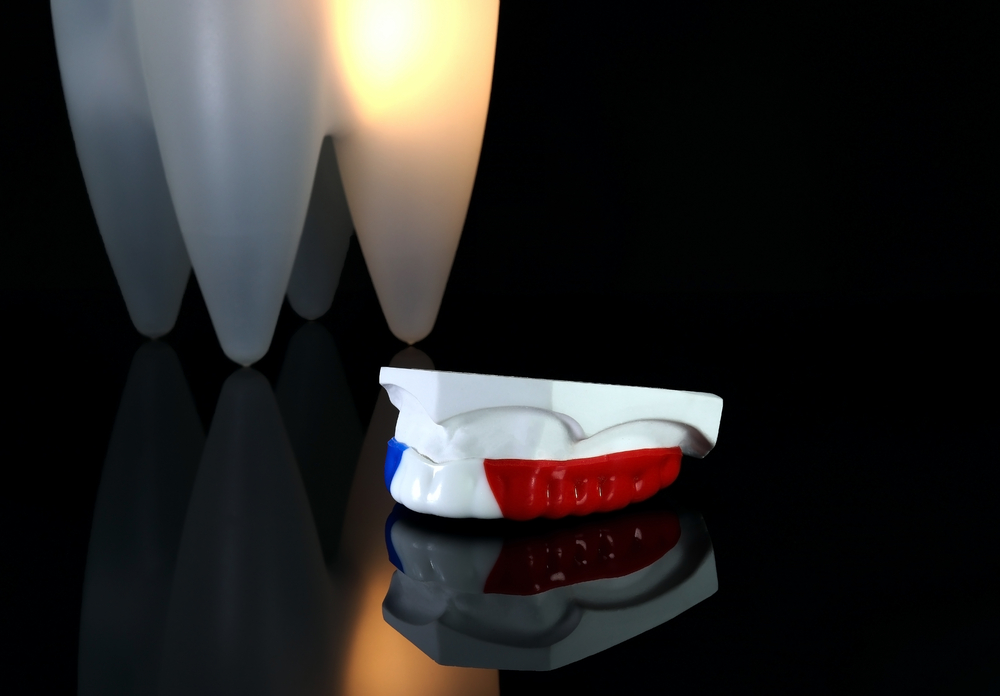
If TMJ disorder is caused by arthritis, the underlying cause will be treated. If clenching and grinding are causing symptoms, it may be advisable to wear a protective guard during the night and we can custom-make mouth guards to prevent teeth grinding. In many cases, resting the jaw joint can ease symptoms and pain relief medication can also be very effective.