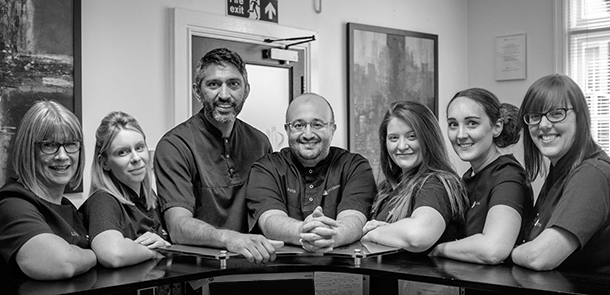



 We understand that facing the dental chair can be anxiety-inducing, but we are here to help you and our amazing dental team has experience and expertise in providing care for nervous patients. We are a very friendly bunch and we promise every patient that we will do everything we can to make them feel as comfortable and relaxed as possible. With us behind you, you don’t need to worry and you can face your dental appointments without any fears at all.
Treatment for nervous patients
Dental fear is very common and most of our patients admit to feeling at least a little nervous when they come to the practice, especially if a complex procedure is around the corner. We are very caring and compassionate and we make time for our patients; we are happy to show patients around the practice, introduce them to dentists and answer any questions before you have treatment and we also offer techniques, including sedation, to make treatment less daunting.
Sedation is a popular choice for nervous patients and it can really make a difference to how you feel before and during treatment. With sedation, we use sedative medication to bring on a deep state of calm and patients feel completely relaxed during the procedure. When you are under sedation, you won’t feel any pain, but you will still be conscious, so if you want to speak to your dentist you will be able to do this.
After sedation, you’ll be able to go home, but we do suggest that you ask a friend or family member to drive you home and stay with you while the effects of the drugs wear off, as you may be a little drowsy.
If you’re worried about going to the dentist or you haven’t been to the dentist for many years because of dental anxiety, we can help you to overcome your fears. Call us now to speak to one of our friendly reception team or pop in to the clinic if you are in Leeds city centre.
 Dental phobia is a condition that means a person’s fear of the dentist is so great that they are unable to visit the dentist, causing their dental health to suffer as a result. Many dentists report that the most anxious patients are often the ones with the most serious dental concerns. This is because they are unable to rationalise their fear against the need to have dental treatment. It is important for all patients, no matter how great the phobia, to visit the dentist before their dental problems become irreversible. It is also important for many anxious patients to realise that many modern dentistry techniques are far less uncomfortable than they previously were.
 In the UK, 93 per cent of people admit to having a fear of the dentist. For the most part they are able to overcome those fears as they know how important a check up is to their dental health. However, for nearly 30 per cent of patients, the fear of the dentist is far more serious and they avoid dental visits completely. This ‘dental phobia’ prevents these patients from receiving the dental care they need, putting them at risk of sacrificing their oral well being.