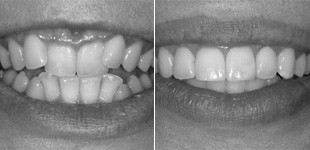



 At City Dental Leeds, we like to keep things classy and with our amazing porcelain crowns, we can restore damaged teeth without detracting from the stunning natural beauty of your smile.
About dental crowns
Dental crowns are restorations, which are called into action when a tooth is damaged, broken or decayed. Crowns are sometimes called caps and this is because they sit on top of the natural tooth. If your tooth is infected, you’ve had an injury or accident and the tooth is broken or severely damage or you have a very large cavity, you may be advised to have a new crown.
Crowns are custom-made for the patient to ensure that they fit perfectly and they can be made from various different materials. We like to use porcelain crowns because they match the colour of the natural teeth and they also have a beautiful sheen.
Crown treatment
Before a crown is made, the tooth is prepared and this involves taking away all the rotten tooth tissue and shaping the tooth in preparation for the crown. Dental putty is used to make a mould of the tooth and this is then sent away. The crown is then manufactured by an expert dental technician. When your new crown is ready, we will fit in onto the tooth and then fix it firmly using strong adhesive. Sometimes, in the event that the tooth is infected, root canal treatment will be carried out prior to the crown being fitted; this procedure helps to remove infected pulp tissue and prevent the spread of infection through the tooth.
Crowns offer many benefits and they usually improve the aesthetic of the smile, as well as providing additional strength and functionality.
Crowns should last around 10 years provided that you look after the tooth well.

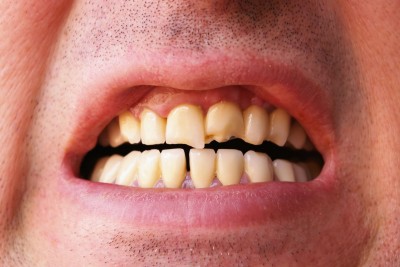

 Every tooth in your mouth is a hollow chamber that contains an amount of materials that are important to the health of the tooth. In certain circumstances this material can become compromised and treatment might be required to save the tooth. This is called pulpitis and dentists in central Leeds are experts at spotting the signs of the condition and dealing with it.
 Despite having a reputation as one of the most feared and painful dental procedures, a root canal treatment is also one of the most useful and can mean the difference between keeping a tooth and losing it. A successful root canal treatment can also eliminate the need for extensive dental treatment in the future, which could save you a lot of time, money and most importantly, pain.