


 At City Dental Leeds, we aim to provide high-quality dental care at affordable prices. If you’re a student, we understand that money may be tight. Here are some budget-friendly ways to protect your teeth.
Prevention is better than cure
Preventative dental care is always going to be cheaper than paying for dental issues. If you can keep cavities and gum disease at bay, you’ll save yourself a lot of money. The best way to do this is by maintaining good oral hygiene at home, and keeping an eye on your diet. Brush twice a day for at least two minutes using fluoride toothpaste, and try and limit your intake of sugary and acidic foods and drinks. Foods like sweets and biscuits and fizzy drinks and energy drinks can really take their toll on your teeth.
You don’t need to spend a fortune to get the best out of brushing. You can do a thorough job with a manual toothbrush, so don’t worry if you can’t afford a new-fangled electric brush with all the mod cons.
Dental visits are also incredibly important. If you see your dentist every 6-12 months, you have a much lower (up to 60%) lower risk of developing decay or gum disease.
Student discounts
We like to think of ourselves as a student-friendly practice, and we offer savings and special offers for students on certain treatments. If you’d like to find out more about how you could save money on dental treatment with us, don’t hesitate to give us a call or pop in and see us if you’re in the centre of Leeds.



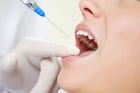


 It is important to find good, professional dental care in the UK to maintain oral health, but maintaining good, healthy teeth also relies on good oral hygiene in the home, according to a dentist based in the city of Leeds. Choosing a dentist that suits you, is paramount. You must feel comfortable with the service offered, so it is vital that you shop around. The best way is to ask friends, neighbours or work colleagues where they get their teeth done and then set up a consultation so that you can get a feel of the surgery. This will make attending appointments a lot less daunting. It’s also important that the dentist has the facilities to cover a range of dental treatments that you require. Regular visits should prevent any major complications and your dentist should be able to rectify any problems should they arise and offer you a range of treatments- cosmetic procedures, implants, bridges, cavaties, combat gum disease and administer emergency surgery. But your dentist is also there to offer you advice on caring for your teeth outside of the practise- how and when to clean your teeth, what brush and toothpaste to use that suits you, flossing correctly and foods that will promote strong teeth. They will also offer advice on what to avoid- whether you choose to heed that advice is up to you, but it’s comforting to know that your dentist is on hand to correct your indulgences!
 When dental problems arise they can be very unpleasant if not treated quickly and efficiently. One of the most unpleasant dental conditions is a dental abscess. This is when pus collects in certain areas around the teeth and gums as a result of a bacterial infection.
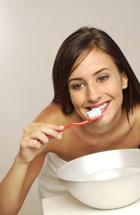 Taking care of your teeth can be simple and straightforward if you diligently follow advice from dentists on how best to look after teeth generally, and more specifically from your own dentist about your own individual hygiene needs.