


Posts Tagged ‘dental check ups’

The Art of the Dental Check-up in Leeds

Tuesday, January 24th, 2012

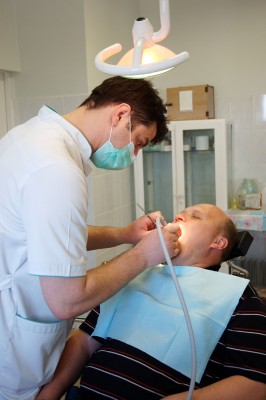
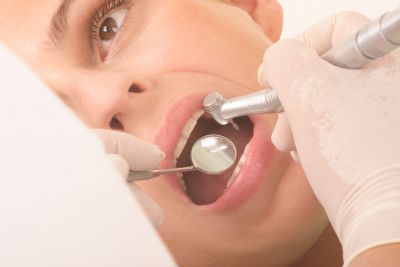
If you have a magnificent dentist in Leeds, you may well be ignorant of just exactly how good they are when you pop in for a dental check-up and think it’s just a look inside and a quick clean. But any dentists worth their weight in salt will be checking for things that you take for granted. Depending on the age of a patient, they will follow a strict guideline laid down by general procedures of practice to ensure your mouth is healthy. The basic check-up will involve searching for signs of decay in the teeth, disease in the gums, erosion, and then treat if necessary followed by a clean and polish. But the dentist should also take digital x-ray as well to check for problems in other areas in the mouth such the way your mouth is ‘biting’, check the jaw joints for wear, the roots of the teeth and the gum line. They will check your fillings and any other fitting you may have had done. But the best thing of all that you get from a dental check-up is the chance to have a say about your concerns. It’s not all about axes and hammers with dentists’, they can be gentle and offer a really good counseling service to you when you have problems. Most important of all, they can give you advice about dental emergencies and what to do in a crisis. A check-up should be embraced and used constructively, after all, in general, you only have two a year.

Expert City of Leeds dentists impress upon patients the need to have regular dental check ups

Thursday, August 4th, 2011

Letting the experts have a look at a problem is always advisable. If you’ve sprung a leak then you will get a plumber in and a wiring problem should be looked at by a trained electrician. Similarly, a dentist ought to have regular access to your mouth so that they are able to sort out any problems that might be occurring. Too many people neglect this vital part of taking care of their teeth and the consequences are sometimes rather unfortunate.
Seeing the dentist every six months or so allows them to have a look out for any incipient problems in the mouth. Oral cancer, gum disease, cavity formation and even sleep apnea will be looked for by your dentist. After intensive training and years of experience your dentist will be able to look at the state of your teeth and gums and identify whether your brushing and flossing technique is fit for purpose and keeping your mouth in good health.
If plaque builds up on your teeth then and becomes tartar then it is only your dentist who can remove it by using a technique called scaling and polishing. The fact is that some dental ailments are not immediately noticeable and patients might have no idea that they are, for instance, developing gum disease until it has been flagged up by the dentist.
Try to choose a dentist to register with who is either close to home or your work and therefore making and keeping your appointments will be more convenient. Many dentists in the City of Leeds offer a service whereby a reminder is sent to you informing you that it has been six months since the last check up.

How to Clean Your Teeth in the City of Leeds

Friday, February 4th, 2011

It’s probably safe to assume that most of us know how to keep our teeth clean in the city of Leeds, but it’s also a fact that, cases of people suffering from tooth decay, throughout the country, is on the increase. If you want to keep your teeth healthy, it’s essential to maintain a program of good oral hygiene and if your have any doubts about this, you should consult your dentist. The basic principles have never been in doubt- clean, twice daily with a suitable brush and a fluoride based toothpaste, rinsing and flossing after eating, and a bi-annual dental check-up. But this is only scratching the surface of keeping your teeth clean. It’s also important to understand what we are putting in our mouths- some foods are acidic and sugar based, and are the main causes of tooth decay. It’s important to make sure these foods are removed from mouth correctly. Small brushes, flossing, dental gum and mouthwashes are a great source of back-up to the general cleaning process and are always useful to have at your disposal- especially as we get older and gaps appear between the teeth. As well as all these tips, it is also handy to remember that over cleaning can be detrimental to teeth and should be cleaned in moderation Once you have mastered a technique and regime that suits you, you shouldn’t have a problem keeping your teeth clean.

Need advice about tooth brushes? Talk to your Central Leeds dentist

Friday, January 21st, 2011

Keeping your teeth clean is vital in ensuring that you have good oral hygiene which will allow you to eat, drink and talk with ease. You should brush at least twice a day for about three minutes at a time with a tooth brush. But which tooth brush to choose? There are many on offer in super markets and pharmacies in a variety of styles and at a range of prices and your dentist can give you the best advice about which is best for you.
It is important that tooth brushing, which ought to be protecting your teeth is not damaging them. This can happen if you are brushing too vigorously and you might want to choose a brush with softer bristles so that brushing doesn’t make your gums bleed and compromise your enamel.
Many dentists recommend that electric tooth brushes are used. These devices which can be charged up like a gentleman’s shaver, offer optimum cleaning because of the way they vibrate and rotate against the teeth. The down side is that they can be expensive.
Whatever brush you choose, you should make sure that you are replacing it regularly. As tooth brushes are used the bristles will become frayed and less effective in cleaning your teeth. Also they will pick up bacteria and dirt over time and using them can only make problems such as gingivitis worse.
At your six months check ups with your Central Leeds dentist you should ask for advice about tooth brushes to ensure that you are taking the best possible care of your teeth at home.

Regular Checkups Are the Best Protection against Oral Cancer, Says City Of Leeds Dentist

Saturday, September 18th, 2010

The incidences of cancer keep growing and it is believed that our lifestyle is responsible for it. Oral cancer also follows this trend, and it is not uncommon to encounter people who suffer from this dread disease. A City of Leeds dentist says that we could protect ourselves from a whole lot of problems, oral cancer included, if we just had regular dental checkups.
The mouth is a very inaccessible area, and it is very difficult for us to see most of what goes on inside there. As a result, we might miss the early signs of cancer such as lesions or bleeding, merely attributing it to a rough toothbrush or some hard food we might have eaten.
The fact is that a dentist needs to have regular access to your mouth so that nothing develops there without his or her knowledge. The dentist will be able to spot the first signs of cancer and take appropriate action.
Regular checkups also indicate that you are conscious of your health. If your standards of oral hygiene are dropping, then your dentist will be able to correct you immediately. Your dentist will also be able to advise you about the best way to clean your teeth. You will also be advised about the various habits or things you consume that are likely to increase your risk for this type of cancer. Smoking and chewing tobacco are considered two prime causes for this cancer. Thus checkups are the best way to protect yourself against oral cancer.

Prevent Dental Decay Rather Than Looking For a Cure, Says Leeds Dentist

Wednesday, August 25th, 2010

One of the most common problems that we face is tooth decay and it is far easier to prevent than it is to cure. According to a Leeds dentist, tooth decay usually occurs as a result of neglect. It is caused due to bad oral hygiene that results in food particles being left in the mouth. Everybody knows that it is important to keep one’s mouth clean so as to prevent caries from forming, but we tend to fall short when it comes to actually practicing it.
We can avoid dental decay by making certain changes in our habits. It is absolutely necessary that we brush our teeth at least twice a day. Remember to never sleep with a dirty mouth because that will expose your teeth to acids the whole night long. In addition, we have to remember to rinse our mouth out after we eat anything. A good way will be to drink plain water after a meal. If you have the habit of snacking in between meals, you should consider dropping the habit, or at least cleaning your mouth after each snack. There are certain foods that are major culprits when it comes to tooth decay. Sweets and candy are on top of this list.
Another way to prevent tooth decay is to go for regular dental checkups where the dentist can clean your teeth whilst looking for any new cavities or diseases of the gum. These steps should be sufficient to keep your teeth protected and free of cavities.

Dentist in Leeds Central Emphasizes the Importance of Regular Dental Check Ups

Friday, July 16th, 2010

A dentist in Leeds Central was talking about the increase in tooth decay and other dental problems that could easily have been avoided. People hate visiting dentists, but the fact is that regular dental check ups are the only way to catch dental problems before they become too big. The dentist can clean teeth while looking out for signs of any problems.
Tooth decay has to be spotted early enough so that it can be sorted out with a small and painless filling. If it is neglected, the decay will only increase, and the tooth can even get infected. Abscesses will be the next thing to happen, and the person will most probably need a root canal treatment. In extreme cases, the person could even lose the infected tooth.
Regular dental check ups are the best way to avoid tooth decay as well as gum disease. Problems like bad breath and bleeding gums can be easily prevented as well. In the long run, neglect of dental health can also lead to heart disease due to the clogging of arteries by dental plaque. The dentist can also give advice on proper brushing techniques.
The practice in Leeds Central offers a solution to this problem by making a visit to the dentist less intimidating. If the atmosphere is more relaxing than normal dental visits and the procedures less stressful, patients would not be so eager to miss their scheduled dental visits. This could save them a good deal of time, money and pain in the long run.

Dental check ups at Central Leeds dentist save lives

Tuesday, April 13th, 2010

Looking after the health of your teeth and gums is not just important for your mouth but could also make a difference to your overall health. With dental decay on the increase due to an increase in sugary diets and worsening standards of oral hygiene, and gum disease affecting nearly three quarters of all adults in the UK at some stage in their life, it is more important than ever to ensure a good standard of oral care.

Maintaining a good standard of oral health can be achieved in two main ways. The first, and perhaps most important, is making sure you are brushing your teeth and flossing correctly and effectively each day. Dentists recommend brushing for at least three minutes twice a day (ideally after every meal but this isn’t always possible) and flossing at least once a day. This will help to control plaque and keep dental decay and tooth decay under control.

However, even the most dedicated oral hygiene routine can still be susceptible to the effects of plaque and bacteria. It is often in the areas that are most difficult to clean that the problems begin. This is why the second prong of the defence against dental disease is so important. Six-monthly dental check ups will allow a Central Leeds dentist to examine your mouth for any signs of dental decay or gum irritation. Catching these conditions in their early stages make them far easier, not to mention far cheaper, to treat.

A dentist will also be able to conduct a routine examination for the signs and symptoms of oral cancer. This is a very nasty condition that can be fatal if not caught early, but treatable if it is. Book your dental check up today, especially if it has been a long time since your last. It could be the best decision you ever make.

City of Leeds dentist helps you to brush plaque away

Tuesday, March 9th, 2010

The most important part of dental care happens at home according to dentists. Regular check ups can help to prevent more serious dental concerns and ensure that your teeth are being kept as healthy as possible, but it is really effective brushing and flossing that are the most important defence against decay and disease. This is because when it comes to dentistry, prevention is much better than cure.

To keep teeth as healthy as you can, you need to remove plaque. This is a filmy substance that accumulates on the teeth and around the gums. It consists of bacteria and food particles, which can cause the erosion of tooth enamel and gum tissue, which leads to infection. Brushing removes this plaque before it is able to cause any harm or damage to the enamel. Brushing also helps to stimulate the gums, keeping them clean and in good condition.

Brushing with toothpaste is also good because toothpastes contain ingredients, which help to fight plaque and bacteria. Some toothpastes also contain fluoride, which can help to protect teeth against enamel erosion and decay. It is necessary to check with your dentists if fluoride is suitable for your teeth as it can cause staining in some cases.

City of Leeds dentists can give you more advice about effective brushing and flossing. It is usually a good idea to use a toothbrush with a small head as this makes it easier to reach difficult parts of the mouth. Brushing your teeth well will not only remove plaque and bacteria, but can help to preserve enamel keeping your teeth strong and free from sensitivity.

City of Leeds dentist removes anxiety from nervous patients

Sunday, September 20th, 2009

Over 90 per cent of us confess to having a fear of the dentist. For most of that 90 per cent the fear is mild and easily overcome by the knowledge that looking after your teeth is more important. For others who suffer from a more severe dental phobia the fear wins and their oral health suffers as a result. Many nervous or anxious patients suffer from gum disease and tooth decay because they put off or avoid coming to the dentist for check ups. Regular dental check ups are one of the best ways to avoid problems such as these so in some respects their fears are making the situation worse.

Many people’s dental phobias are caused by similar factors. A previous negative experience at the dentist’s, particularly during childhood, can lead to a lifetime of fear. A painful procedure or unsympathetic dentist can put a patient off returning for life. For others, they are embarrassed about the state of their teeth and put off going to the dentist. As with many other dental phobias, this achieves nothing more than to make the situation worse. Running from your fears is never the answer. Other patients speak of fears of having instruments placed on their mouth or feelings of lack of control.

These fears may be very real to people but there are ways around them. Try explaining them to your dentist, being as open and honest as possible. Whatever your fear, they will have experienced it before and will be trained to help you overcome it. Other dentists now use relaxation techniques such as breathing exercises and self-hypnosis to overcome anxiety. The use of lavender oil and other natural remedies can also help to calm patients’ nerves.

It is also very important to remember that dentistry has made huge advances in the last twenty years. Dental surgeries are unrecognizable now from the places many patients may have experienced as children. Many of the procedures that were previously painful or unpleasant are now more or less completely pain free. Operation and treatment times have been slashed for many procedures, meaning less time will be spent in the chair and fewer visits will be required. A City of Leeds dentist will be able to talk nervous patients through all the changes and reassure them that they really do have nothing to worry about.