
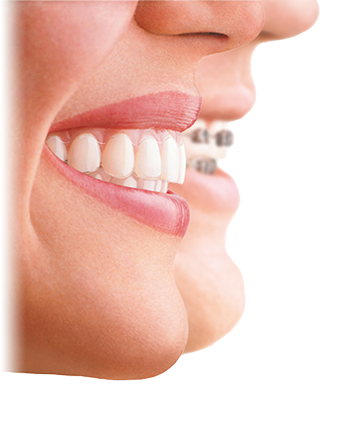


Dental caps are probably the most used treatment for teeth, after dental fillings of course, because they can be used for a wide range of applications. A dental cap, also known as a crown, is nothing more than a shell that is placed on top of the tooth or an implant. It is cemented to the existing tooth or any other base so that it cannot be removed, except of course by the dentist. In effect, a dental cap is exactly like a tooth except that it is made of an artificial substance. A Leeds dental clinic specializes in offering this treatment and they use it for a wide variety of reasons.
It can be used in place of a large filling when there is hardly any tooth left to repair. It can also be used to cover a badly shaped tooth or one that is too discoloured to be able to benefit from tooth whitening treatments. Another use is to cover a tooth that has had a root canal treatment. It is also used very often in order to attach a bridge when the teeth on either side of the gap that has to be filled are spaced very far.
Dentists use a wide variety of crowns in order to suit various requirements. The cost of the treatment escalates based upon the quality of the material used, with the most natural looking caps being the most expensive. Most people reserve these caps for front teeth only, for very obvious reasons.
Posts Tagged ‘dental crowns’
Dental Caps Are Very Easy To Fix, According To Leeds Dentist
Saturday, August 21st, 2010Protect damaged teeth with dental crown from Central London dentist
Saturday, March 27th, 2010
Teeth can be damaged in many ways. Chips, cracks and breaks can occur as the result of sporting injury, motor vehicle accidents or from any other kind of head trauma. Broken teeth can be very painful and also expose the sensitive inside parts of the tooth to the risk of infection and disease. Teeth can also be damaged by dental decay and enamel erosion. This again leaves them vulnerable to attack from disease, which could eventually lead to tooth loss. When teeth are damaged in this way it is necessary to protect them from further injury and also to restore the cosmetic appearance.
One of the oldest and most effective ways of protecting teeth is to fit a dental crown over the top. A dental crown is a ceramic or metal and ceramic cap that is designed to fit over the damaged tooth, covering all parts of the tooth above the gum line to act as a barrier to further damage. A Central London dentist will first need to remove some of the existing enamel so that the crown can fit comfortably over the top. The crown, which will have been made in laboratory conditions to be the same size and shape as the original tooth, will then be cemented over the top using composite bonding.
Crowns are made from metal and ceramic as these are very versatile and strong materials. Ceramics such as porcelain also have a very similar appearance to tooth enamel, giving an improved aesthetic appearance. Once firmly in place the crown will perform all the functions of the original tooth.
Crowns are also used after certain dental surgeries and treatments to add a dimension of protection to the teeth. If dental decay has causes significant damage that a filling is not sufficient to protect the tooth, then a crown may be used to offer greater protection. Crowns are also used after root canal treatments to prevent further infection
Dental crown in minutes from City of Leeds dentist using Cerec technology
Saturday, February 6th, 2010
Dental crowns, veneers and ceramic inlays are some of the most useful tools available in modern dentistry which offer the best level of treatment. Crowns and veneers are designed to protect damaged or discoloured teeth from further damage and at the same time restore their cosmetic appearance. Ceramic inlays are used to fill large dental cavities unsuitable for dental bonding. All three create a further barrier to decay and infection while making the teeth feel stronger and preventing pain.
In the past, these protective tools have been made from an amalgam of metal and ceramic but due to increased demand for aesthetic perfection more and more are being made solely from enamel. This process was not an easy one and often involved lengthy manufacturing times of up to two weeks. But new technology is slashing production times and providing perfectly fitting porcelain products in as little as six minutes.
The new technology is called Cerec but is also commonly known as chair-side restoration. The process utilises the latest digital technology and three-dimensional projections to create a perfect image of the teeth without the need for dental moulds or conventional x-rays. The images are available immediately and can be used to instruct a computer-guided machine to mill the replicated crown or veneer from a single piece of porcelain. Patients are therefore able to see exactly what their new tooth will look like before it has been fitted. This new technology is relatively new but is set to revolutionise the world of dental treatment in the future. Ask a City of Leeds dentist about Cerec at your next appointment and discover for yourself the amazing possibilities of this new technology.
Dental crown from Leeds dentist fitted in record time
Tuesday, December 22nd, 2009
In the past, patients and dentists have been slightly reluctant to use dental crowns unless absolutely necessary. This is because the old laboratory made crowns could often be bulky and require significant enamel removal to allow them to fit naturally over the top of the tooth. Removing otherwise healthy enamel is never ideal so dentists would often opt to use other treatments such as fillings and dental bonding.
Crowns are generally required when teeth are damaged or have been subject to a dental procedure and need strengthening. A crown itself is a tooth-shaped piece of porcelain (although crowns can be made form other materials, including gold) which covers all parts of the existing damaged tooth above the gum line. This helps to protect the teeth from exposure to further damage.
Crown technology has improved significantly in the last twenty years and it is now even possible to use computer technology to produce stronger, thinner crowns in a fraction of the time. Using the latest computer aided digital imaging, dentists can design crowns to incredibly accurate levels on the computer before manufacturing them almost instantly with a computer-guided milling machine. As the crowns are made from single pieces of porcelain they are much stronger so they can afford to be thinner. That means less, if any enamel needs to be removed prior to fixing.
This new technology available at Leeds dentists has completely changed the relationship patients and dentists have with crowns, which are now easier and more efficient to use than many other treatments.