


Posts Tagged ‘dental hygiene’

Flossing your way to freedom in Leeds

Tuesday, December 6th, 2011

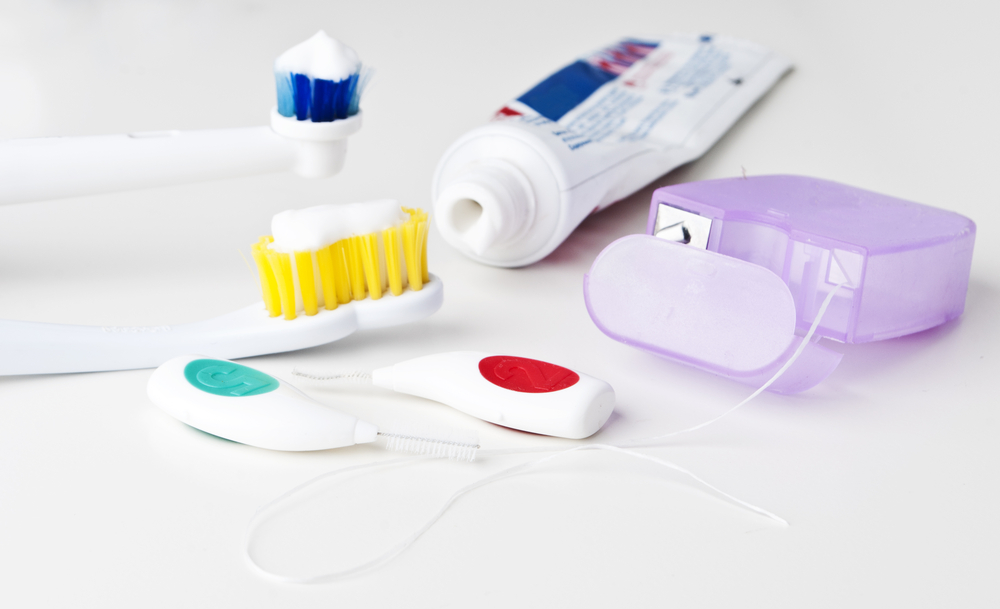
We are all taught to brush our teeth correctly in Leeds from an early age with the right brush, the right paste and hopefully with the right technique too. We remove the bacteria from the surface of our teeth whilst stimulating the gums and putting the minerals back into the teeth’s enamel through the fluoride in the toothpaste. But a brush cannot get up close and personal between the teeth where food can get stuck and within hours start to breed bacteria and acids that attack the teeth and gums. Enter stage right then one of the best inventions in dentistry for many a year- dental floss. It comes in many forms and thicknesses but the overriding benefits to oral hygiene have been incredible. Even before you contemplate brushing, you should floss. It does take a bit of getting right at first, but once you learn to work the floss gently between the teeth and in around the gums, you are ensuring that any leftovers from dinner have been well and truly removed and the uprising of bacteria, quashed- then you are free to brush your teeth normally. Flossing every time you brush will guarantee that you are maintaining a good oral hygiene program and that your teeth and gums will remain healthy.

Leeds dentists tell patients that dental hygiene should be a daily concern

Saturday, September 10th, 2011

The way you look after your teeth and gums will have a major effect on your dental hygiene. Your dentist plays a part in this and keeping up the routine of having a check up every six months is absolutely critical, but the bottom line is that you should be taking good care of your teeth and gums at home, every day.
Looking after your teeth should start first thing in the morning with the first time you brush and floss your teeth. It is a good idea to do this when you wake up (or after breakfast) because during the night the production of saliva plummets, your mouth is dry and exposed to the effects of plaque and bacteria. Use a tooth paste that has fluoride in it so that your teeth are strengthened from the exposure. This brushing will help to moisten the mouth as well so that plaque won’t be able to hang around.
Floss once you have brushed so that plaque is eliminated from the tight gaps in between teeth. Gum disease will follow if plaque is left on the gum line of teeth where it can cause inflammation. If you r gums bleed a little when you floss for the first time, you should not worry about this as your gums will build up a tolerance to the process of flossing.
Make the right dietary decisions so that you are not exposing your teeth and gums to excess levels of plaque. This means thinking about when you are eating sugary snacks and considering brushing your teeth afterwards. Let your dentist in Leeds be an ally in this process by asking him or her for advice when you need it.

Reasons to recognize and fight Gum Disease in the City of Leeds

Saturday, June 11th, 2011

It’s never wise to ignore gum disease, not only for the short term affects it can have on the health of your teeth, but for the long term affects that it can have on many of the vital organs in your body. Most of us in the city of Leeds are likely to suffer from some form of the condition at sometime in our lives. But when it happens, it needs to be checked immediately. It arises out of poor dental hygiene, but if allowed to flourish, it can promote decay in the teeth and inevitably tooth loss. If it’s caught quickly, it can be stopped easily; regular brushing each day, with the right added extras such as flossing, mouthwashes and a few herbal remedies can not only stop it from developing further, but and also regenerate stimulation in the gums again. Extreme gum disease however, will need the help of your dentist to deep scale your gums and teeth, remove any bacteria from the roots of the teeth and possibly a course of antibiotics. But there are more serious implications behind gum disease- it poisons the bloodstream and over a period of time, this will start to affect your heart liver and kidneys. It can also promote the development of diabetes in the body. Ironically, diabetes and gum disease are partners in crime, for diabetics are prone to gum disease, a vicious circle you really need to avoid.

How to improve your daily dental hygiene routine with help from Leeds dentists

Saturday, April 16th, 2011

Taking care of your teeth properly needs to form an integral part of your every day routine in the same way that you have a shower, eat your meals and go to bed at night. If you don’t take care of your teeth properly then you could lose them and they are the only natural set that you have. Don’t put yourself at the mercy of dental decay and gum disease, follow the simple suggestions set out below and you should have nothing to worry about when it comes to the good health of your mouth.
Twice a day – first thing in the morning and before you go to bed at night are recommended – you should brush your teeth with tooth paste that contains fluoride. Make sure that your brush has firm bristles otherwise it won’t function as well as it might. Brush all corners of your mouth, including the inside of your teeth, which can sometimes be missed out in peoples’ routine.
Once you have brushed, get into the habit of flossing as well. By doing so you are removing even more plaque because the bristles of your tooth brush cannot get into the tight gaps between your teeth and clear those areas of plaque.
Pursue a healthy, balanced diet as well and keep sweet snacks to a minimum. Sugary foods contribute to greater production of plaque which is the major cause of both decay in teeth and disease and inflammation in gums. By following these simple routines then you should be giving your mouth the best chance of staying free from disease. Keep your Leeds dentist abreast of what’s going on your mouth by attending an appointment with her or her every six months or as directed.

Prevent tooth loss with early diagnosis of gum disease from City of Leeds dentists

Thursday, November 18th, 2010

Often overlooked in favour of teeth, maintaining healthy gums is just as important to having a healthy mouth. Experts believe that as much as three quarters of the adult population of Britain over the age of thirty five are currently suffering from some stage of gum disease, which is a greater cause of tooth loss than tooth decay itself. Contact your City of Leeds dentist today as gum disease in its early stages is often entirely reversible.

Gingivitis is the most common gum disease, resulting in painful reddening of the gums. They may bleed during brushing and eating and drinking can be made more difficult. Normal dental hygiene practices such as brushing twice a day and flossing can ensure that gingivitis doesn’t take hold.

If left to progress, gingivitis can lead to other debilitating gum diseases such as periodontitis. This extreme stage of gingivitis causes inflammation of the gums which spreads to the bones holding the teeth in place and can lead to teeth becoming loose and eventually falling out.

Signs to look out for are any bleeding when brushing your teeth and be vigilant for redness and swelling in the mouth. Bad breath too can be a sign of gingivitis. If your teeth suddenly feel like they don’t quite ‘fit’ in your mouth as well as they used to or you experience an odd ‘metallic’ taste, you may be in the early stages of gum disease.

Your dentist will be able to spot all of these signs. Carry on your regular dental hygiene regime and you shouldn’t have anything to worry about but be sure to keep an eye out and any gum disease can be stopped early to avoid tooth loss.

Central Leeds dentists offer remedies for bleeding gums

Wednesday, November 3rd, 2010

Maintaining healthy gums is just as vital for oral hygiene as looking after your teeth. With experts suggesting that as many as seventy five per cent of Britons over thirty five years of age have some form of gum disease it has never been more important to take your gum’s health seriously. Bleeding gums are a sign that gum disease is taking hold and you should contact your Central Leeds dentist immediately if you notice it occurring.

Bleeding gums can indicate gingivitis, the most common of gum diseases. Bleeding may happen while you are brushing your teeth and eating and drinking will be more difficult and uncomfortable. If you follow recommended dental hygiene routines of brushing and flossing your teeth a day, the risk that your gums will bleed is substantially reduced.

If gingivitis is left to progress and the bleeding gums are ignored, other debilitating conditions may end up taking hold. Periodontitis is especially painful and can result in your teeth falling out as the bones holding them in place become inflamed. All of this may begin with bleeding gums

Contact your Central Leeds dentist quickly if you experience bleeding gums as it may be a sign of worse things to come. Thankfully it is easily remedied if caught in time. Your dentist may me able to advise you on improving your home oral hygiene routine so that the bleeding ceases. In some cases special mouthwash may be appropriate or a course of antibiotics. The important thing is the take action immediately.

Dealing With Caries in Central Leeds

Sunday, October 3rd, 2010

2058693_blogIt’s very easy to overlook dental hygiene and rely on the dentist to solve any complications when they arise and restore the health of the teeth again, according to a central Leeds dentist. But what happens in the mouth, can affect the rest of the body and any oral infections and disease can lead to very serious health issues. Bacteria are a constant danger to our teeth and if unchecked, can lead to dental caries (or cavities) and then pain, disease, tooth loss and infection- in some cases, death. Caries attack the tooth in three different ways. The first is on the top of the tooth where the enamel folds into crevasses and is the most difficult area to clean. If plaque is allowed to build up, the bacteria will slowly form cavities and these can be spotted visually. The second location is where the tooth reaches down to the gum (a white, chalky spot being a give away) and the third is the root- these can be detected by a radiograph and are more difficult to treat. The worst example is where cavities occur in a lot of teeth- rampant caries and children are at high risk to this, especially when new teeth are coming through. Common causes of caries are high sugar content foods and a bacteria promoting diet that leads to plaque and tartar, a dry mouth due to the lack of saliva (often due to the use of stimulants and/or smoking) and poor oral hygiene. If decay is detected, immediate treatment will be required. Depending on the extent of the problem, a filling is the most common solution. If the level of decay is bad, the tooth may require a root canal and in extreme cases, an extraction may be the only answer.

Dental Scaling Should Be Done Every 6 Months, Says City of Leeds Dentist

Tuesday, August 31st, 2010

A dentist from the City of Leeds was very concerned about the dropping standards of oral hygiene even though there are so many dental cleaning products available in the market today. People are still not very educated about how to protect their teeth and in turn, their health. The doctor even talked about the importance o getting regular checkups done so that any problems could be nipped in the bud. A thorough cleaning could also be set up during the time of the dental check up.
Dental scaling is the process whereby teeth are cleaned extremely well at the dentist’s office. It is done with the help of a jet of water that blasts into the space between the teeth and removes all debris and food particles wedged there. It also chips away at the plaque that coats the teeth. Plaque is an extreme health hazard and it has to be removed regularly.
Dental scaling is not an uncomfortable process at all, although you might experience a slight raw feeling immediately after the treatment. You might even bleed a bit, but this is because the plaque needs to be pried away in a few places, thereby causing the gums to get a bit hurt.
Dental scaling will result in you having fresh breath since most of the places where bacteria hide would have been removed. Similarly, all the food that the bacteria eat would also have gone. It is therefore very important for you to get dental scaling done twice a year at least.

Take good care of your teeth with help from Leeds dentist

Sunday, May 9th, 2010

Taking good care of your teeth is very important. If you look after your teeth well, they will last you a lifetime but the consequences of ignoring dental hygiene can result in pain, expensive treatment and embarrassing dental conditions. From an early age we are all taught how to clean our teeth and the very good reasons for doing so, but often as people get older they become complacent or forget to look after their teeth as well as they can. Leeds dentists are urging all patients to care more for their teeth and can offer tips at check up appointments, as well as looking for any signs of decay.

The best ways to look after your teeth are to clean them effectively and to see a dentist for a check up every six months. Good oral hygiene involves the routine brushing and flossing of teeth. This will remove bacteria and plaque, which will limit the threat of tooth decay and gum disease. Dentists say you should brush twice a day for at least three minutes. Use a soft-bristled brush for maximum effect. Flossing is also very important as it removes food and plaque form the more hard to reach areas, such as between the teeth.

However, even the most dedicated oral hygiene routine can still come under attack from the menace that is decay. This is why it is so important to see a dentist as often as every six months. This won’t give the decay any chance to take serious hold so treatment can be carried out before the problem has become too severe. Dentists will spot the early signs of decay and can help you to alter your routine to defend against it.

Cure embarrassing bad breath at Leeds dentist

Sunday, March 7th, 2010

Bad breath is a very unpleasant condition for both the sufferer and those around them. Worst of all, there is often no way of telling if you are suffering from unless someone tells you and this can be very embarrassing.

There are a number of causes of embarrassing bad breath. It may be being caused by digestion problems, which will probably require wider medical attention or a radical change in your diet. It may also be being caused by gum disease. Many dentists can tell if a patient is suffering from gum disease before they have even conducted a proper examination because of the distinctive smell. This kind of bad breath can usually be treated and cured along with the gum disease.

However, in 90% of cases, bad breath is caused by nothing more than poor oral hygiene and is easily remedied. Inadequate and ineffectual brushing and flossing allows bacteria to build up on the teeth and gums. Food particles can also get trapped in between teeth and in pockets between the teeth and gums. Bacteria acts upon this food breaking it down and releasing nasty smelling sulphurous odours which are then carried out of the mouth on the breath.

Using mouthwash and other products may only make the bad breath worse. The only sure fire way of treating embarrassing bad breath properly is to improve your dental hygiene and visiting a Leeds dentist for more information. They can offer advice on how to improve your dental hygiene and also make sure that the problem is not being caused by any of the more serious measures.