



Posts Tagged ‘dental hygienist’

Daily dental hygiene: get the facts from Leeds dentists

Monday, March 28th, 2011

Leading a busy life can sometimes lead you to forget just how important it is to take good care of your teeth. But the fact is that many of the activities that you take for granted depend on you having a healthy mouth. If you contract gum disease or start experiencing dental decay then eating, drinking and even talking can be rendered much more difficult. So it is best to take care of your mouth in the way that dentists advise.
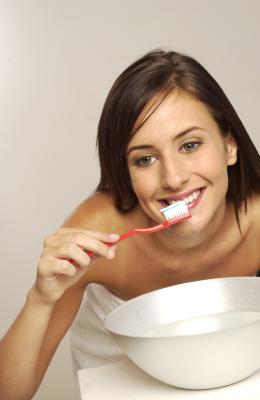
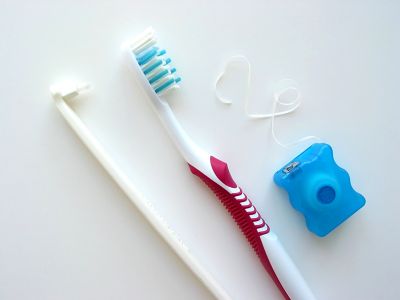
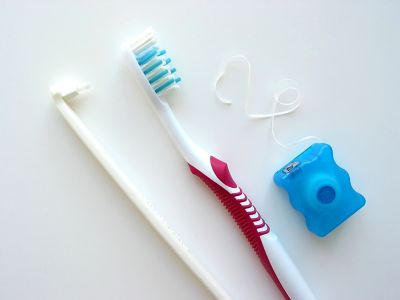
First of all, you should be brushing your teeth at least twice a day to remove the plaque which is a major cause of tooth decay and gum disease. You ought to brush for about three minutes and make sure that you are covering all the areas of your mouth from front to back and top to bottom. As well as brushing you should floss as well to remove the plaque which forms in between your teeth.
All food causes plaque to some degree but sugary and starchy foods produce the most and you should restrict yourself in how much of these foods you eat. Sometimes you might wish to brush your teeth after you’ve had a sugary snack or a starchy meal. Activities such as smoking tobacco and drinking a lot of alcohol can have a detrimental effect on your oral hygiene too and are leading causes of oral cancer.
All of these measures should be done in conjunction with regular visits to your dentist so that your oral health can be monitored by a professional. Dentists can spot the signs of any problems early on and offer effective diagnosis before the problem gets too bad. Talk to your Leeds dentist if you need more advice about these matters.

Experience the possibilities of cosmetic dentistry at Central Leeds dentist

Friday, February 12th, 2010

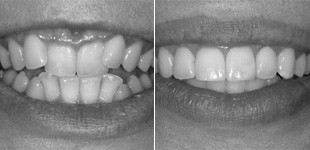
Unlike conventional dentistry, cosmetic dentistry is focused solely on improving the appearance of the teeth. There are many dental problems that can affect the way the teeth look including worn enamel, discolouration and unevenly spaced teeth. The aim of cosmetic dentistry is to make the teeth look as healthy and even as possible by using a variety of different treatments.

The first step in cosmetic dentistry treatment is to make an appointment with a Central Leeds dentist to discuss your options and draw up a cosmetic dentistry plan. This will outline exactly what procedures need to be carried out for the maximum effect on your teeth. Cosmetic dentistry may also involve treatment from a dental hygienist to make sure the teeth are as clean as possible before treatment. More comprehensive cosmetic dentistry involving several procedures carried out simultaneously is often called a smile makeover.

Common treatments that are used in cosmetic dentistry include teeth whitening and dental bonding. The aim of teeth whitening is to use a gel containing the active ingredient hydrogen peroxide to stain enamel to a more natural and healthy white colour. Dental bonding can be used to achieve similar effects as it can be applied to cover areas of staining, as well as for repairing small cracks, chips and as filling material.

In recent years, the array of treatments and the results achievable have grown significantly. There are now very few dental problems that cannot be improved dramatically in some way. With the introduction of new appliances such as dental lasers and new technology, cosmetic dentistry is also now a lot less uncomfortable than it has ever been before.

Extra dental care from dental hygienist at Leeds dentist

Sunday, December 27th, 2009

A relatively new weapon in the war against dental disease is the dental hygienist. More and more dental practises across the country are using hygienists to supplement the treatment offered by the dentist, to provide the most comprehensive dental care possible.

Hygienists offer patients additional teeth cleaning work carried out in tandem with other dental treatment from the regular dentist. With longer, more focussed appointments than are often available from dentists themselves, hygienists can work on recommendation from the dentist on specific dental hygiene problems faced by patients.

This may include carrying out thorough cleaning involving scaling and polishing, removing plaque and tartar and offering more detailed advice on suitable products and cleaning advice for patients. They can also work with you to devise specialised cleaning plans to tackle any specific problems you may be having. This enables dentists to focus more on specialised treatment during appointments and has reduced waiting times for all patients. Dental hygienists generally have more flexible appointment hours than dentists so they may be able to provide cleaning treatments recommended by your dentist on a regular basis.

Recently it has also been approved for hygienists to use x-ray equipment, further expanding their feild of influence and ability to help patients. At your next appointment with a Leeds dentist, enquire about the possibility of also seeing the hygienist to give your teeth the best possible chance of staying healthy. As the role of the dental hygienist broadens they may be key to your future dental health so why not see for yourself, today.

Brushing and flossing advice from Central Leeds dentist

Wednesday, October 21st, 2009

The two most important weapons in the fight against dental disease are brushing and flossing. By taking the extra few minutes each day to properly brush and floss your teeth you could save yourself a lifetime of complicated, painful and costly dental procedures. It sounds like a fairly straightforward deal but many patients do take dental hygiene for granted.

Unlike the rest of the body where disease can strike at any time and can be unpreventable, almost all forms of dental disease are caused by our own oral hygiene deficiencies. By failing to brush and floss regularly we allow plaque to build up in the mouth. Plaque is a filmy substance made up of bacteria and other debris such as food particles. This acidic film breaks down the protective layer of tooth enamel that coats the teeth and causes cavities. These cavities penetrate to the heart of the tooth where infections can take hold in the incredibly sensitive inner part of the tooth. This can lead to toothache, abscesses and eventually tooth loss. All of this can be prevented by stopping the build up of plaque in the first instance. Effective brushing with a suitable brush and paste can remove the majority of plaque.

Another concern if plaque is allowed to build up is tartar. This is a hardened form of plaque that cannot be removed by conventional brushing and will need a dentist to remove using a process called scaling. Tartar also attacks enamel and leaves brown/yellow stains on the surface of the teeth.

It is hard for brushes to reach all parts of the mouth, such as the difficult gaps between the teeth. Plaque can build up here and food particles can get stuck. If these food particles start to decay they release foul smelling sulphurous compounds which are the cause of over 90 per cent of cases of bad breath. By flossing each day you can remove these particles and prevent the build up of plaque in these hard to reach places.

By brushing and flossing properly, and by making sure to visit the a central Leeds dentist every six months you will be able to keep your teeth clean and free form any nasty and painful dental problems.

Battle tooth decay with help from City of Leeds dental hygienist

Sunday, October 11th, 2009

It is very likely that any visit to the dentist today, will also involve a visit to the dental hygienist. This is a fairly new system of treatment that is being employed, but one that can greatly improve its quality. Dental hygienists use treatments called scaling and polishing to professionally clean teeth. These processes remove excess plaque and tartar that cannot be removed by conventional brushing.

However, dental hygienists are about more than just teeth cleaning. They are sources of advice on how best to avoid dental decay and the most effective methods of keeping plaque at bay. They can demonstrate to the patient the best ways of brushing and flossing and recommend products that will be particularly suitable to the patients teeth. Also, by working in unison with your dentist, they can produce a dental hygiene plan that can help to reduce any future risk of dental complications.

Professionally qualified specialists, dental hygienists are becoming more and more common in dental practices. They are usually available to be booked by the hour, often immediately following a check up with the dentist so they can act on any advice. And because they are not subjected to the same caseload as the dentists they can often spend more time with individual patients.

In recent years, dental hygienists have also received further training in taking x-rays, which has allowed them further input into possible treatments. They can also suggest action for more minor dental problems such as fluorosis. All of this has meant that waiting times have been reduced for all patients. Hygienists are also in the front line of smoking cessation and will be fully trained to help you quit. As smoking can be very bad for teeth and associated with all sorts of oral health conditions, a dental hygienist is perfectly placed to offer you advice.

The dental hygienist is a valuable new ally in the fight against tooth decay and gum disease. They can help to keep teeth clean and healthy, and by working with the dentist can solve any oral health problems that may arise. When booking your next appointment at a City of Leeds dentist, ask about the availability of the dental hygienist.