


 It is well known that a number of herbs can be used for medicinal purposes in various cases. Leeds dentists are also now telling patients that some herbs can be useful in combatting gum disease. Far from being a trifling matter, and in no way of secondary importance behind dental decay, gum disease is a leading cause of tooth loss and can cause much pain and inconvenience.
Of course there is no substitute for good brushing and flossing to remove plaque but here are some of the substances which can help combat the effects of gum disease: sage, peppermint and basil. These three herbs are all commonly available in many forms and are thought to be of help when it comes to gingivitis. One can even purchase tooth paste which contains them.
Less common are substances such as calendula, extract of grapefruit and Echinacea. Rubbing these straight into the gums can help to relieve any symptoms of gingivitis like swelling and reddening. Similar properties can be found in clove and aloe vera but dentists warn that the direct application of any of these herbs can be too aggressive for some gums. It is best to seek advice about using these direct remedies.
These herbal solutions can be a great help in relieving the symptoms of gum disease but they do not address the causes. Remember that gum disease is caused by plaque being left on the gum line of teeth and the best way to avoid gingivitis and periodontitis is to brush rigorously and floss between your teeth too.
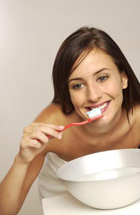 From a young age, we are brainwashed into the importance of brushing our teeth and how to do it. But is there a correct way of brushing? Well not exactly, according to a dentist in central Leeds. Every mouth is different and should be brushed according to our individual requirements. Caring for our teeth has become big business and we’re bombarded with options when it comes to brushing. But the best place to start is with your dentist- they will be able to evaluate your teeth’s requirements, brushes, toothpaste and even how to brush your teeth correctly. Starting with brushes- generally a soft brush will suffice for the removal of plaque and a smaller head will enable to reach those more difficult areas. Handles, grip and head angles are all designed to allow you better access to your teeth and maintain hygiene. Electric brushes do the work for you- especially if you have limited movement in your hands. Then we have the choice of toothpastes. Most products come recommended- but some are designed for specific uses such as whitening or sensitive teeth. When it comes to brushing, a small pea-sized amount of toothpaste should be placed on the brush and then it’s generally considered that you should start at the inside of the teeth, working off the gums, front to back- the same method being applied to the outside of the teeth. The teeth should then be flossed to ensure the full removal of foodstuff and plaque. Chewing dental gum can aid brushing, as can rinsing with a suitable mouthwash.
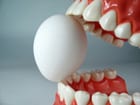 Humans have made use of dentures for a very long time now, with people in ancient times using a variety of animal and human teeth to take the place of the ones they have lost. Thankfully, one does not have to go through all that trouble these days, and it is very easy for a person who has lost some or all teeth to get a replacement set from a dentist.
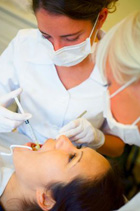 The health of your teeth is very important. Just ask anyone who has suffered the pain of serious toothache or losing a tooth to infection. Cleaning with brushing and flossing is very important to remove plaque and keep your teeth safe from cavities and other dental traumas such as tooth abscesses. But it is important not to ignore the health of your gums, as these can be just as important to your overall oral health.
 Central Leeds dentists are always stressing the importance of flossing to all patients at dental check ups. This is because despite all the evidence that points to the benefits of flossing, there is still only a relatively small percentage of people who actually do it. Nearly everyone brushes their teeth, but many people are perhaps wrongly convinced that this enough.
 You should never take your teeth for granted. It is important to keep up good standards of oral health and report any problems to your dentist as soon as possible. Here are some tips on taking good care of your teeth.
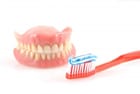 It can be very embarrassing for people who have lost some or all of their teeth but there is a solution. A denture, or partial denture, is a set of artificial teeth that fit around the gums giving the appearance of a full and healthy set. There are many reasons why people have lost their teeth. Tooth decay and gum disease are usually the main cause, but other patients lose teeth in car accidents and other incidents that involve head trauma.