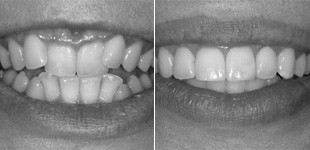

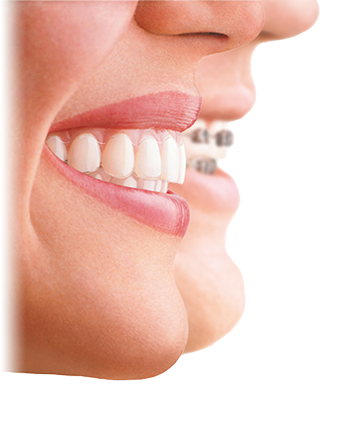


 You’ve got a gorgeous new, straight smile. The next job is to keep it looking fabulous for as long as possible. If you’ve just had your braces removed, here are 5 ways to protect your newly straightened teeth.
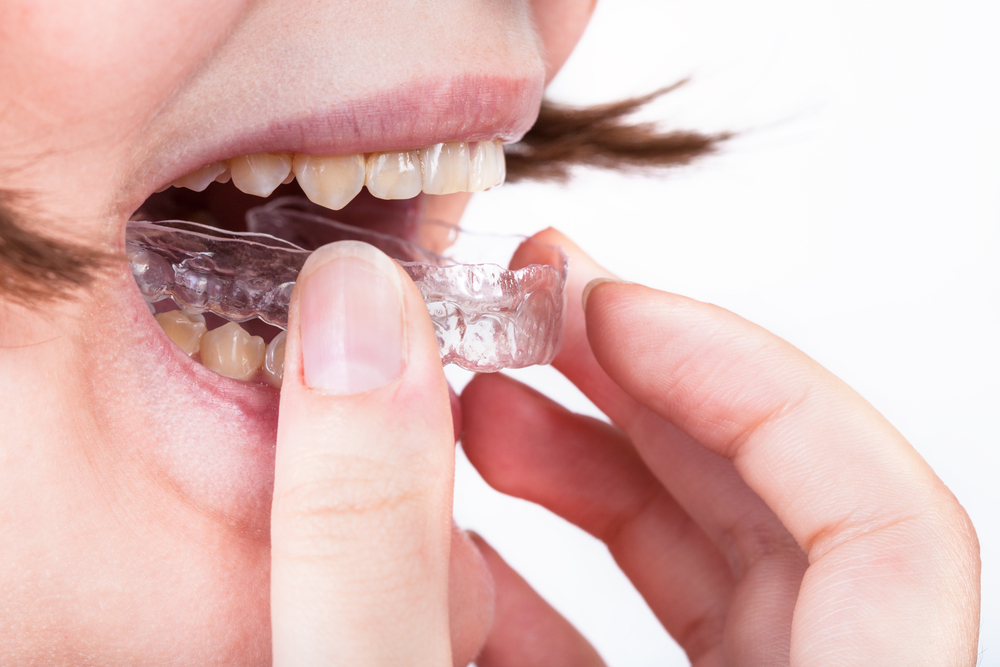
- Wear a retainer: retainers are orthodontic appliances, which are worn to maintain the new position of the teeth and prevent the teeth from moving once the braces have been taken off. Your dentist will explain how the retainer works and you can usually choose between a fixed or removable retainer.
- See your dentist: just because you’ve finished your treatment, doesn’t mean that you don’t need to keep in touch with us! We hope to see you for regular check-ups and follow-up appointments to check that everything is perfect and keep an eye on your oral health in general.
- Brush: oral hygiene is really important for everyone, so we strongly recommend sticking to a good daily cleaning regime at home.
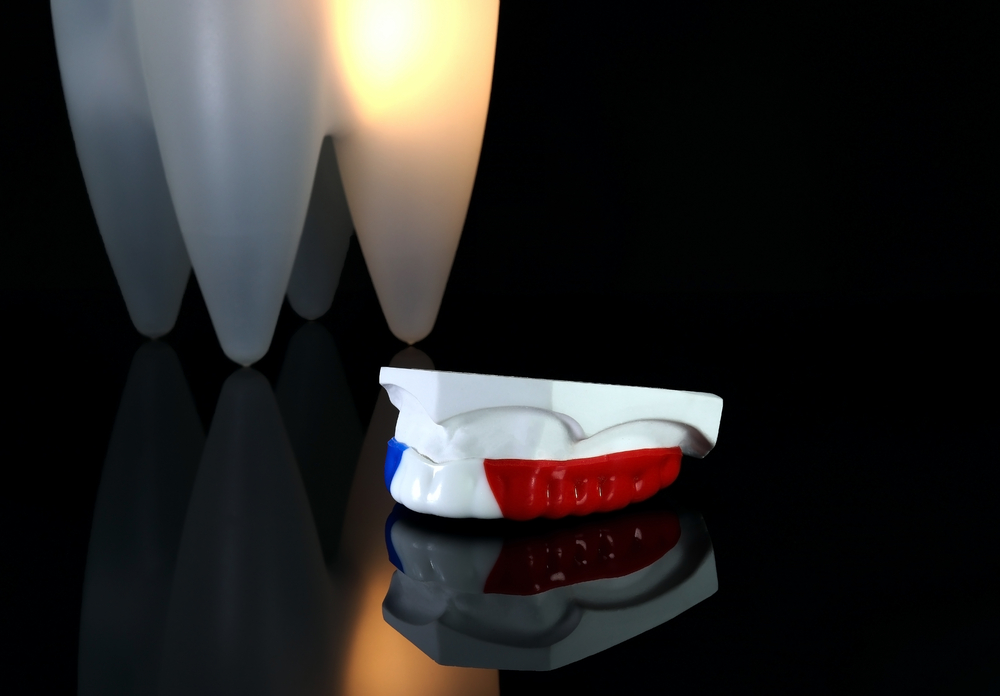
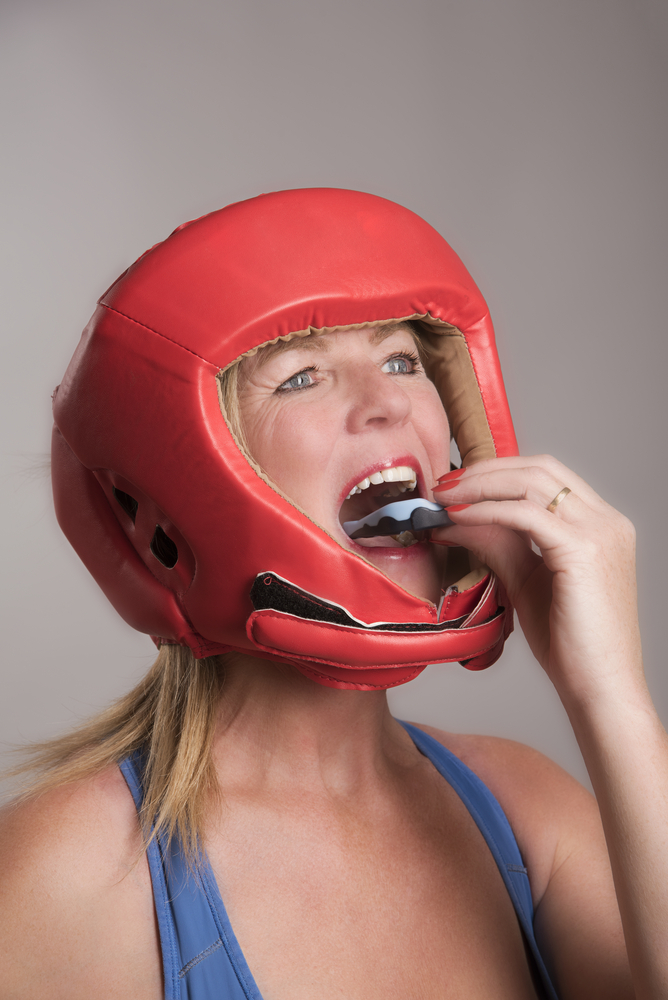
- Use a mouth guard: if you enjoy sport or you take part in activities like martial arts, we recommend wearing a mouth guard to protect your teeth. Even if you only play from time to time, you never know when an accident may happen and you don’t want your new smile to be ruined. We recommend dentist-made guards, as they provide a perfect fit.
- Watch your diet: there are some foods that are lot better for your teeth than others. Now that you’ve got the smile of your dreams, you should take good care of it. Try and avoid foods that are very hard, which could damage your teeth, and those that have a low pH value or high sugar content.