


 Bad breath is not just a dental health issue, it can also cause people to feel embarrassed and ashamed. If you suffer from bad breath, it can knock your confidence and make you feel very uncomfortable in certain situations. If you long for fresher breath, follow these four simple steps:
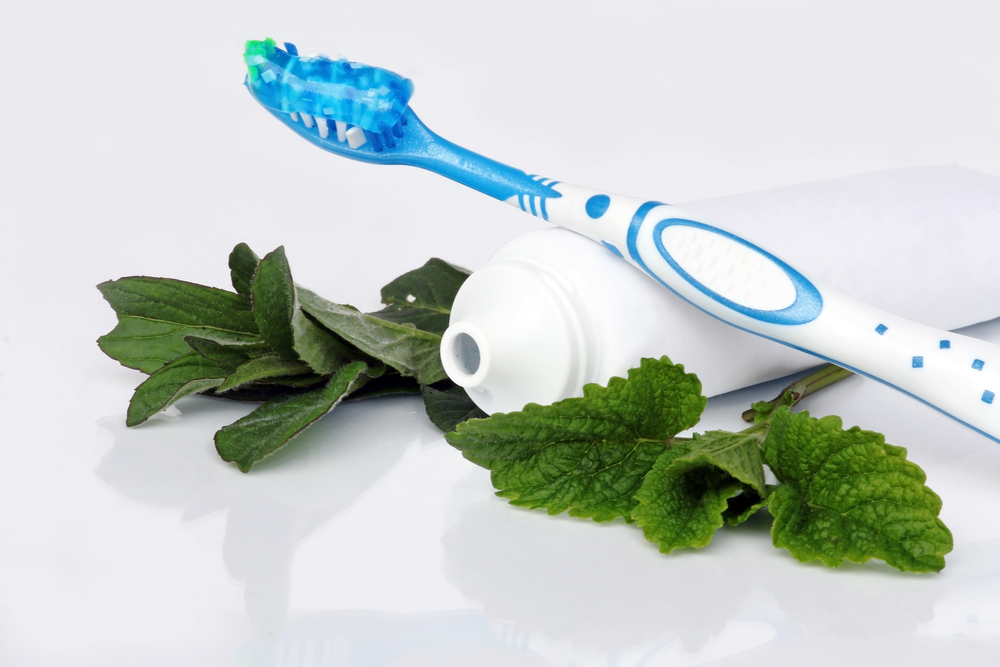
- Focus on dental hygiene: the best way to beat bad breath is to adopt a good daily oral hygiene routine. You should brush twice a day for at least 2 minutes each time using fluoride toothpaste. It also helps to floss daily.
- Clean your tongue: many people assume that they only need to clean their teeth, but it’s actually hugely beneficial to brush your tongue too. Many cases of bad breath are associated with bacteria, which gathers on the tongue and releases odorous gases. You can use your normal toothbrush or buy a tongue scraper from a chemist or your dental practice.
- Chew gum: many people find that they get bad breath after eating and drinking and chewing gum can help to banish this issue. Make sure you choose sugar-free gum, and chew for 1-2 minutes after eating. This will help to freshen your breath and reduce your risk of decay, as chewing stimulates saliva production. This cleanses your mouth and reduces acidity.
- See your dental hygienist: we all know that it’s essential to see our dentist every 6-9 months, but when was the last time you booked a session with the dental hygienist? If you’re prone to bad breath, this is a great idea. Hygienists are experts in oral hygiene, and they will tackle stubborn plaque and tartar deposits, giving you healthy, bright teeth and clean, fresh breath.
If you’re worried about bad breath, don’t struggle in silence. We are here to help, so give us a call today!

 In the city of Leeds, dental decay, at some point, affects over 60% of adults and an alarming 80% of children. It’s normally caused by a lack of oral hygiene combined with the consumption of starchy and sugary foods and drinks. Smoking, drinking and bad diet can lead to a dry mouth. Together, these factors can lead to gum disease and bacteria building up very quickly in the mouth and if not removed, leads to plaque forming and breaking down the surface of the teeth. At worst, cavities or caries can form, resulting in tooth loss over time. Yet, dental decay is also very easy to avoid. It starts at home with good diet and oral health care. Brushing correctly with the right tooth brush and paste, combined with flossing and rinsing should be enough to keep decay at bay. However, some bacteria will break through, so it’s always important to keep up with regular visits to the dentist. It’s the best way of having plaque and tartar removed. Early signs of decay can be spotted with a simple x-ray and treated immediately and if the decay is advanced, the inside of the tooth can be cleared out with a root canal and then filled or capped. Tooth decay spreads fast and looks ugly in the mouth and can be expensive to rectify but with a good hygiene program, there’s no reason why it should be a problem.
 Bad Breath is the bane of everyone, whether it is in your work place or just socialising in the local hostelries, we need to be close to people when we chat and that’s when the problem starts. A Leeds dentist explains that bad breath is usually an Oral Hygiene problem that results from a lax regime. Bad breath can also be a sign of a liver disease or other problem; it is a symptom of a few diseases so always seek medical advice if the problem persists. A good oral hygiene program is the best way to avoid bad breath; it is caused by the production of by-products in the mouth by bacteria which feeds off the residue food left behind after a meal. Bad breath in the morning is due to a dry mouth in the night, as the saliva gland is also asleep when we are asleep. Just keeping a glass of water beside the bed will help the problem. In the morning floss first as this will get in between the teeth and remove hidden debris, brush and rinse to remove any leftover bits of bacteria. Tartar will build up on the teeth and eats away at the enamel, so removing bad bacteria debris is also important throughout the daytime, especially after we have eaten a sandwich or even a bar of chocolate. The fat and sugar residue that gets in between our teeth is the food that bacteria feeds off and makes acid out of, so washing it away by swigging water and flossing is very important.
 There are a number of very important reasons why you should floss every day. Flossing is often seen as not as important as brushing but this is not necessarily true. Brushing your teeth cleans the flat surfaces of the front and back of the teeth but it can’t reach certain parts of the teeth that are harder to get to. This includes the area between the teeth, which is too narrow for the bristles of a brush, and the areas around the base of the teeth and below the gum line.
 Oral hygiene is one of the only aspects of our health over which we have almost total control. No matter how fit and healthy we are we are always at risk of any number of internal or external health conditions. But when it comes to our teeth it is our own actions that determine how healthy they are.
 Periodontal disease, often commonly referred to as gum disease, is seen in two degrees of severity. Milder gum disease is called gingivitis and involves a mild inflammation of the gum tissue. It is estimated that three quarters of all adults in the UK will experience some gingivitis at some point. It is usually easily remedied by improved oral hygiene and some treatment from a dentist. The other more serious form of gum disease is called periodontitis and requires much more substantial treatment. It usually stems from a failure to address or treat the milder form of the disease and can cause significant dental problems such as infections and tooth loss. In fact, periodontitis is responsible for more tooth loss in the UK than tooth decay.
 Bad breath, or halitosis, is a particularly unpleasant oral hygiene condition that affects not just the sufferer but also everyone else around them. Everyone has probably had bad breath at some time or other in their life and may not even have known about it as it is notoriously difficult to detect yourself. It is caused by the presence of bacteria in the mouth which decay and release a nasty smelling sulphurous odour that is then carried out on the breath.
 Gum disease happens when the gum tissue in the mouth becomes infected due to the presence of bacterial acid found in plaque. Plaque is allowed to build up on the teeth and gums when oral hygiene is insufficient. Initially this causes gums to become red and irritable and possibly bleed when being cleaned, but mores serious gum disease can lead to tooth loss, hospitalisation and even tissue removal during surgery.