


 Dentures are a hugely impressive solution for missing teeth, but they can cause some issues. With stabilised dentures, we can offer solutions to common denture problems and ensure you have peace of mind, as well as a great looking smile and strong, functional teeth. We stabilise dentures by anchoring them with dental implants; this provides much greater stability and support than the suction of the gums alone.
What are implant-retained dentures?
Dental implants are small titanium posts, which are secured into openings in the jaw bone to act as a tooth root. Once the implant has been placed, it undergoes a process called osseointegration, which results in it becoming part of the actual bone tissue. Once the implant has settled completely, it can then be attached to a new restoration. Implants are clever because they are compatible with different types of restoration, including dentures, crowns and dental bridges. With implant-retained dentures, the denture is connected to the implants.
What are the benefits of implant-retained dentures?
Implant-retained dentures are the answer to denture wearer’s prayers; they eliminate the risk of dentures slipping, they increase bite power so that you can eat what you like, they look great and above all, they make you feel comfortable and confident when you speak, eat and smile. There is absolutely no risk that a denture will come loose or slip and there is very little chance of sore spots developing, as the denture is unable to move out of place.
With implant-retained dentures, you can enjoy all the benefits of traditional dentures with amazing bonuses. There’s no need to worry about limiting your diet or steering clear of specific foods, there’s no risk of slipping and sliding and you can be sure that your denture will feel comfortable at all times.
If you would like to find out more about dentures, dental implants or implant-retained dentures, call us and arrange a consultation or simply pop in when you are next in town.

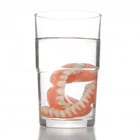 Loosing a tooth or teeth can make eating, drinking or even talking more difficult. The appearance of missing teeth can be unsightly and make your cheeks sag, giving you an older appearance. In an image-conscious world, dentures offer the solution to tooth loss and allow you to smile freely and with confidence.
 Dental implants are the most realistic way to restore a missing tooth as they replace the whole tooth including the root. Unlike some other dental restorations like partial dentures and dental bridges, which although are more affordable, do not offer the same degree of anxiety-free results.
 What is a dental implant?