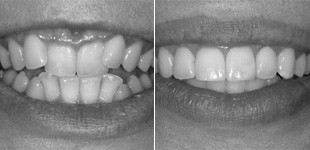



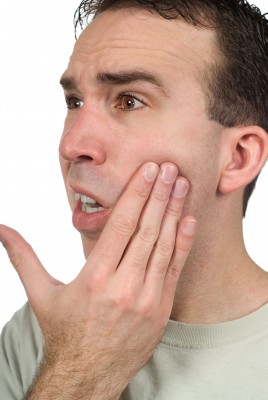
 If you suffer from migraines or headaches on a regular basis, this may be a result of temporomandibular joint disorder, also known as TMJ disorder or TMD. The TMJ is the joint, which connects the lower jaw to your skull. You can feel your TMJ working if you place your fingers on the side of your face just in front of your ear lobes and open and close your mouth.
There are various factors, including teeth grinding, which can cause the muscles around the TMJ to become strained and this can result on headaches and migraines, as well as stiffness in the joint and earache. Bruxism is the medical name for teeth grinding and usually, it is associates with stress or anxiety.
Treating TMJ disorder
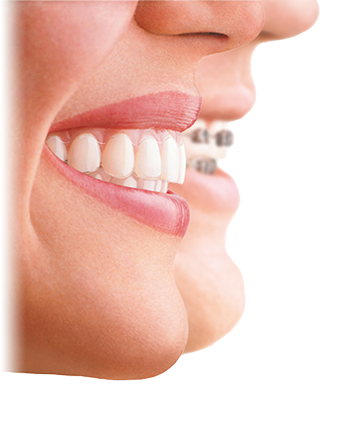
In many cases, there is no need for formal treatment and aches and pains subside independently; however, in the case of persistent migraines and headaches, intervention may be recommended. In cases where teeth grinding is linked to pain in the joint, we can provide custom-made mouth guards, which are worn at night, to prevent the teeth from clashing and reduce strain on the joint and the surrounding muscles. We can also help to address problems with the bite and suggest stress management techniques, which may help to reduce the frequency and intensity of teeth grinding.
If you suffer from migraines and you’ve tried over the counter remedies to no avail, come and see us! You don’t have to suffer in silence.

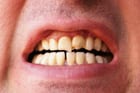
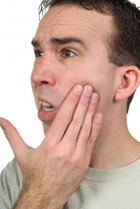




 After a hectic day of stress and anxiety in the city of Leeds, do you know how to chill-out when you get home? Have a hot bath, soft music, glass of wine, light-up some incense, soft music and a cup of herbal tea before a book at bedtime? Or do you find you’re just as anxious and angry as you have been all day when you hit the pillow? Because if you’re not relaxing properly, you may well find that you are grinding your teeth while you sleep. The symptoms to look out for here are aching and clicking jaws, neck and upper back and if you suffer from any of these, you are putting your health on the line, let alone wearing down the enamel on your teeth and leaving yourself open to tooth decay and gum disease. The point at where the jaws meet is a very delicate area that has to take the every day things you throw at it anyway, but what it doesn’t need is extra stress placed upon it from teeth grinding and if you fail to rectify the problem, it could let to some very expensive repair work on your teeth and surgery on your jaws. A dentist can help your teeth by prescribing a mouth-guard, but what is really essential is to get your stress and anger under control by seeking professional help from someone who can teach you stress management, and stop you from feeding your tension through your jaws, into your head and then down the neck into the upper back.