


 We all have different ways of dealing with things in our lives in Leeds; some of us can be cool about stuff, others may panic. This level of how we handle things can also be governed by experience or by naivety. So when something like a dental emergency happens, we are presented with dilemma of what to do. But there are ways of coping in such a situation and with a few tips, it could help you to make the right snap decisions. You would be wise to make an appointment with your dentist, even go online, and educate yourself so that when a crisis appears, you will be able to handle it better. With something like losing a fitting or a toothache, you don’t need to see a dentist straight away and so with a couple of painkillers inside you, a medicated mouthwash and some soothing gels laying around, even some clove oil, you can cope until your dentist can see you at the earliest appointment you can get. Having a tooth knocked out is altogether a different matter: it can be saved and popped back in if you can either do it yourself or get to a hospital/dentist as quick as you can; this is also the route you need to go down if an abscess breaks out in your mouth, for you need to pump yourself with antibiotics quickly. It’s easy to say ‘be calm’ in any such situation, but knowing what to do will help you immensely, but always remember, the hospital and your dentist are always at hand and if you have any doubts, then get there anyway- if only to ease your mind.


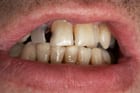

 Human beings have long sought out the best way of rectifying the problem of lost teeth. Teeth can get lost for a variety of reasons, from dental decay to the advanced stages of gum disease to a one off trauma affecting the mouth, maybe in a game of a physical sport. Having a full set of teeth, even if some or all of them are not natural, allows you to talk properly and eat and drink much easier.
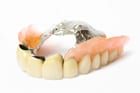 When you lose a tooth it can be traumatic at first, but once you get over the initial shock, you should consult your dentist about getting it replaced- sooner rather than later, not only for health reasons, but for aesthetic ones too. When the tooth is lost, the surrounding teeth can begin to loosen around it, making them weaker and more susceptible to infection. Food can also get stuck in the gap allowing bacteria to develop. Replacing the tooth not only allows comfort when eating, but it also retains the face’s shape and aesthetic beauty, whilst restoring your true smile. Dental bridges have been around in central Leeds for a long time now and that’s because they work. They are also one of the cheaper options available- which type of bridge you have is determined by where in the mouth the tooth has been lost. In the middle of a row of teeth, you can opt for a new tooth that is attached to two crowns that are cemented on to the teeth either side of the gap. At the back of the mouth, the replacement is moulded onto a single tooth with wire and resin. Today however, the bridge can be used in conjunction with a mini-implant for extra strength and rigidity. Notoriously awkward to clean, but once you get the hang of it, your bridge can last you over 10 years.
 Humans have always had a tendency to lose teeth every now and then. There are many causes: an accident to the mouth, sever dental decay or aggravated gum disease. Tooth loss becomes more likely in older age too as teeth have been subjected to many years of wear and tear. One option to replace lost teeth (whether it is a whole set or just one tooth) is to consider mini implants.
 Dental implants represent one of the most incredible advances in dentistry that occurred in the twentieth century. Human beings have always suffered from tooth loss, although much less so in the last one hundred years as general health has improved, especially in the developed world. And we have always sought solutions to this loss of teeth, in recognition of the fact that your mouth can function at its best when it has a full set of teeth, even if some of them are replicas of natural teeth.
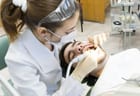 Gum disease is all too common in the United Kingdom and dentists are anxious to something about it, with your help. The unfortunate and painful fact is that gum disease actually leads to more cases of tooth loss than the decay of teeth through cavities. The reasons for the prevalence of gum disease can be put down to many people not recognising the signs of it and also people neglecting to go to the dentist as often as they should.