


 Are you stressed? Do you constantly find that you’re chasing your tail or worrying about how you’ll get things done, how you can help others or find time to tackle a to-do list as long as your arm? If so, you’re not alone. Studies show that many people suffer from stress and this can be damaging to oral health, as well as your general health.
Tooth grinding, also known as bruxism, is often associated with stress and anxiety and if you wake up with symptoms include tooth pain, headaches, migraines, earache or pain in and around your jaw, you may be grinding your teeth during the night. Tooth grinding is a subconscious action and most people are unaware that they do it.
What are the effects of tooth grinding?
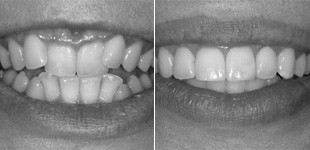
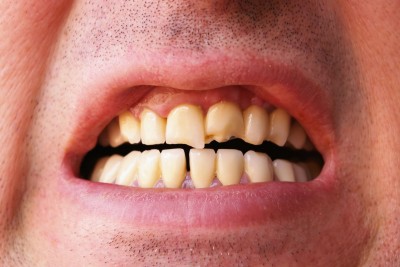
Tooth grinding can damage and weaken the teeth, as well as increasing the risk of TMJ (temporomandibular joint) disorder, headaches and ear ache. TMJ disorder is a term given to symptoms that affect the TMJ, the joint, which connects the lower jaw to the skull. Grinding the teeth can also interrupt sleep, which may further increase stress levels and affect your mood, energy levels and concentration.
Stressed? We can help!
If you’re stressed, we can help. With our bespoke bite guards, we can help to prevent damage caused by tooth grinding and ensure you and your partner enjoy a proper night’s sleep. We can also offer information about stress management and provide treatment for TMJ disorder.

 If you are one of these people in the city of Leeds that live alone and suffer from stress or anger problems, there’s a very good chance you may grind your teeth (more commonly known as Bruxism), and you may also be completely unaware of the problem. But it’s not a problem to be ignored as it can lead to many problems throughout the upper body. The obvious symptoms of teeth grinding are aching jaws, headaches, neck pain and stress in the shoulders; if these symptoms prevail, you should consult your dentist. They may recommend tooth guards, splints or even dental overlays to avoid damage to the teeth, but the jaw will still undergo strain from the desire to grind. Bruxism is directly linked to stress and a hectic lifestyle. But once the problem is identified, it can be addressed. Stress management can reduce the level of teeth grinding through identifying the causes of stress and learning how to unwind after a heavy day. There are many relaxing techniques that can be used to help the body to de-stress before sleeping. If you go to sleep once you have unwound and calmed the body down, there chances of teeth grinding are greatly reduced.
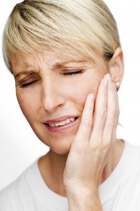 Have you been troubled by migraines for long? These headaches are indeed very debilitating and people who suffer from them are always on the lookout for a cure. There gets to be a point where the usual medications don’t work, at which time they start looking around for various other methods of getting rid of these headaches. Unfortunately, a good number of people do not get the right treatment for this condition because they are just not aware about any other reasons that might be causing it.
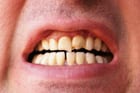 It’s called Bruxism and usually occurs in the sleep, says a City of Leeds dentist. Bruxism also covers the subconscious acts of gnashing and grinding of the teeth while we are awake. The effects are a premature wearing of the tooth enamel and headaches, which just increases the Bruxism and brings the patient into a circle of behaviour that just makes the condition worse. A mouth guard is usually what is prescribed and this seems to work well in most patients, the patient can just pop the guard in when the condition starts up or just before bed-time. The condition has been with us since time immemorial and the word comes from the Greek for grinding, it is generally seen by clinicians as a habit more than an abnormal condition. The cure is varied, the gum shields are a short measure to protect the teeth, rather than fix the problem. Hypnosis is one way and this seems to work well in a lot of people. The effects are that you will get a premature wearing of the teeth and soreness, this can also lead to you relaxing your oral hygiene program and not brushing as regularly as you should do. Jaw ache and anxiety are both a sign of it and a result of it, so getting help early in life is essential. It usually occurs in children around the age of 5 and can go on well into adult life, dietary problems are also thought to be linked to Bruxism, and so a change in diet is also worth a go. All in all this condition needs to be tackled early, although we don`t always know we have it, if you suffer any of the aforementioned conditions then seek advice from your dentist of doctor.