


 Sleep apnoea is potentially very serious and it requires diligent management. If you suffer from sleep apnoea or you snore on a regular basis, we may be able to help. Sleep is so important, not just to ensure you feel alert and alive during the day, but also to keep you fighting fit, and with our help, you could soon be enjoying a much better night’s sleep.
What is sleep apnoea?
Sleep apnoea is a sleep disorder, which occurs when the body is not getting enough oxygen; it disrupts breathing and it can be very serious. Most commonly, cases of sleep apnoea are diagnosed in people who are overweight or obese; this disorder is also more common in men than women.
Sleep apnoea is not the same as snoring, but if you snore regularly, this can be a sign that your body is struggling for oxygen and it may be symptomatic of sleep apnoea.
How we can help
In minor cases of sleep apnoea, it may be possible to ease symptoms without formal treatment; this is usually true in cases where the individual is very overweight. Losing weight and adopting a healthier lifestyle can have a very positive impact on breathing and circulation.
In severe cases, breathing apparatus may be required to improve breathing while you sleep.
In moderate cases, we may be able to help by providing a custom-made appliance to move the jaw forward; this helps to improve air flow and prevent problems with breathing. The appliance is designed to fit perfectly for optimum comfort and it will enable you to sleep soundly night after night. We can also provide the same appliances for patients who snore on a regular basis.

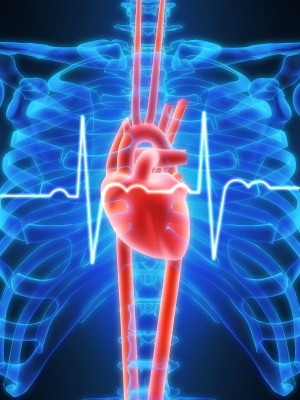
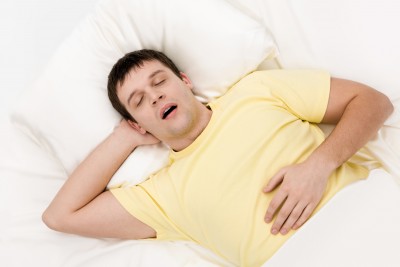
 Sleep apnea is one of those conditions, like snoring and teeth grinding that you may be blissfully unaware of, until you happen to share a room with another person. It is a condition that refers to the irregularity of the way you breathe- more commonly recognised as the pauses between breathing or it can be abnormally slow breathing, whilst sleeping. When you ‘drop off’ at night, you’re body goes into automatic. Your brain signals the lungs to draw air, so that the heart can continue to pump blood around the body. Stop the flow of air and all three hit the panic button, as they all rely on each other to function. You really, needn’t be told how serious an irregular heartbeat can be, especially when you are unconscious, because you can’t do anything about. If you are showing signs of extreme tiredness and fatigue when you wake and that persists throughout the day, you may be a victim of sleep apnea. Firstly, you may be referred to a sleep clinic to assess the problem, after which it can be treated- though there are a lot of methods to address the problem. Lifestyle and diet change are the more common suggestions after you have put yourself through a life management program. Exercise is also recommended, to understand the way you breathe. A dentist can also recommend a breathing device along with certain medications to keep the airways free at night. More radically, the problem may require surgery.
 Sleep apnea is a common disorder that affects thousands of people as they sleep. It cause interruptions during breathing that leads to noises being emitted, similar to those of snoring but it is not the same condition as snoring.
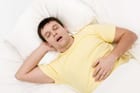 Sleep apnea is a sleeping disorder that causes a person to actually stop breathing during sleep. The interruptions to breathing can happen up to several hundred times a night. Incredibly, people who suffer from sleep apnea very rarely know that they have the condition, with as many as 90 per cent being completely unaware. It is only when they have been told by a partner of family member that they become aware of the condition.