


Archive for the ‘dental hygeinist’ Category

Brush, floss and scrape with help from Leeds dentist

Thursday, April 29th, 2010

Judging by the increasing number of people in the UK who are suffering from dental cavities and gum disease, it would seem that the standards of oral hygiene are slipping. This is more than likely due to complacency when it comes to oral hygiene or even an ignorance of exactly what it takes to care for your teeth properly.

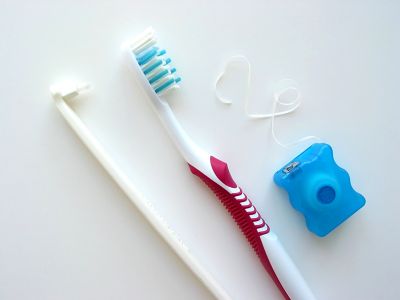
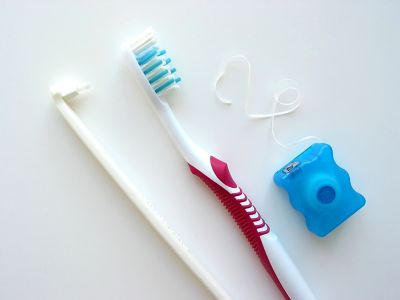
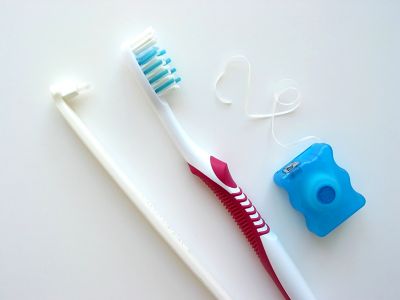
Many people seem to be under the impression that good dental care is just about brushing. There is no doubt that brushing your teeth well is the first line of defence against dental disease and decay, but it is far from the only preventative measure at our disposal. Brushing does remove more plaque and bacteria than any other form of cleaning, but unless you are flossing and using a tongue scraper, you are always going to be fighting something of a losing battle against dental disease. This is because bacteria and plaque often accumulate in areas that are difficult to reach with a conventional brush. These are areas such as the small gaps between the teeth and in the pockets between the teeth and the gum where they meet. Brushing will not remove this plaque and it is allowed to cause damage unchallenged.

Flossing will help to remove bacteria, making you less likely to suffer from dental problems. Tongue scrapers are ideal for removing food and bacteria from the small and moist groves of the tongue. The bristles of a toothbrush are not designed to clean the tongue and will leave bacteria to cause damage in other parts of the mouth. Leeds dentists can offer advice a check up appointments, which are also integral to keeping your mouth healthy and clean.

Get rid of plaque with better brushing – ask a Leeds dentist

Saturday, April 24th, 2010

Everyone has heard the word plaque countless times in adverts for dental products but how many people actually really understand what it is and why it is so dangerous for your teeth? Plaque is a filmy substance comprised of bacteria and decaying food debris that clings to the surface of the teeth. As the bacteria and food decay they release chemicals, collectively known as plaque acid, which erodes the surface enamel of the teeth and also irritates gum tissue. If allowed to remain in the mouth and continually release acid, plaque can be the cause of both tooth decay and gum disease. It will also harden over time so that it cannot be removed by conventional cleaning. This hardened plaque is commonly known as tartar.

However, plaque can easily be removed and your teeth protected simply by effective tooth brushing and also flossing. Brushing your teeth properly twice a day for three minutes as recommended by Leeds dentists will hopefully remove most of the damaging plaque on the teeth. It is often better to use a soft bristled brush as this will scrape off more of the plaque from the surface of the teeth and the gums. Hold the toothbrush at an angle, about forty-five degrees pointing towards the gum on both the top and bottom dental arcs. This is proven to remove more plaque and will also help to stimulate the gums and keep them free from plaque.

The alternative to properly cleaning your teeth is to suffer from dental cavities and gum disease. Cavities in the enamel will allow infections to penetrate to the heart of the teeth and cause a great deal of pain, not to mention damage to the teeth. This will require lengthy and costly dental treatment and may also result in the loss of a tooth. Gum disease will also result in the loss of teeth and great pain, so it really is advised to brush your teeth as well as possible to remove plaque,

Want Cleaner teeth? – Scaling and polishing from Leeds dentist

Monday, April 5th, 2010

Plaque is the soft, sticky substance that surrounds the teeth. It is mostly made from bacteria and releases acid that dissolves minerals in the enamel of the tooth, causing dental cavities, tooth decay and infections. Plaque that builds up around the gums can break down gum tissue leading to painful gum disease, which results in bleeding and possibly even heart disease. It is therefore very important to keep plaque under control with effective brushing and flossing at home.

However, sometime if plaque is left for too long it can harden and become tartar. This is a yellow-brown substance that is very difficult or impossible to remove with a regular toothbrush. Tartar will need to be removed by a dentist in a process known as scaling. The dentist or hygienist will use a special tool to carry out the scaling process to remove tartar. It is also possible to remove stains caused by food or drink using a process called polishing.

Hand scalers are manual tools to scrape away tartar from the teeth. It may not be the most pleasant experience you will ever have but the dentist will be careful to limit the discomfort as much as possible. Obviously, the cleaner your teeth are from home brushing and flossing, the less intrusive the scaling and polishing treatment will need to be. Dentists may also use electric scalers. For the polishing, they will use an electric polisher to leave the teeth as smooth as possible, making it hard for bacteria and plaque to cling to in future.

Scaling and polishing at a Leeds dentist will help to keep your mouth and teeth as clean as possible, limiting the chances of dental decay and a future of unpleasant dental treatment. Make an appointment today to give your teeth a deep clean.

Bad breath, a problem no more with effective treatment by City of Leeds dentist

Thursday, March 18th, 2010

Bad breath, also commonly called halitosis, is usually the result of poor dental hygiene but can also be the sign of wider health problems. It is frequently made worse by the foods you eat and other lifestyle habits such as smoking.

In nine out of ten cases bad breath is caused by poor brushing and flossing. This allows food particles to stay in the teeth and start to decay. The bacteria growth that causes decay also releases foul smelling sulphur compounds, which are one of the main causes of bad breath. Brushing and flossing more effectively will remove many of these food particles removing the food source for most of the bacteria. It will also remove plaque from the surface of the teeth, which is another hot-spot for bacteria.
In some ways, flossing is more important for the prevention of bad breath as it is often in the parts of the teeth hard to clean where bacteria becomes an issue.

However, in some cases, bad breath may be a sign that you are suffering from gum disease. Periodontal disease has a very distinctive odour and cause severe damage to the gums, even resulting in tooth loss. In other cases, bad breath may be being caused by the presence of yeast infections in the mouth or possibly a condition called dry mouth, which is caused by the underproduction of saliva.

A City of Leeds dentist will be able to thoroughly examine your mouth for the cause of bad breath. They can offer effective treatment for all causes and help you to take steps to prevent the condition returning again. With the right dental care bad breath will no longer be a problem.

City of Leeds dentist helps you to brush plaque away

Tuesday, March 9th, 2010

The most important part of dental care happens at home according to dentists. Regular check ups can help to prevent more serious dental concerns and ensure that your teeth are being kept as healthy as possible, but it is really effective brushing and flossing that are the most important defence against decay and disease. This is because when it comes to dentistry, prevention is much better than cure.

To keep teeth as healthy as you can, you need to remove plaque. This is a filmy substance that accumulates on the teeth and around the gums. It consists of bacteria and food particles, which can cause the erosion of tooth enamel and gum tissue, which leads to infection. Brushing removes this plaque before it is able to cause any harm or damage to the enamel. Brushing also helps to stimulate the gums, keeping them clean and in good condition.

Brushing with toothpaste is also good because toothpastes contain ingredients, which help to fight plaque and bacteria. Some toothpastes also contain fluoride, which can help to protect teeth against enamel erosion and decay. It is necessary to check with your dentists if fluoride is suitable for your teeth as it can cause staining in some cases.

City of Leeds dentists can give you more advice about effective brushing and flossing. It is usually a good idea to use a toothbrush with a small head as this makes it easier to reach difficult parts of the mouth. Brushing your teeth well will not only remove plaque and bacteria, but can help to preserve enamel keeping your teeth strong and free from sensitivity.

Leeds dentists warn mouthwashes not effective against bad breath

Tuesday, February 23rd, 2010

Many people’s answer to dealing with bad breath is to reach for the nearest bottle of mouthwash and have a gargle but is this the best solution to treating halitosis? It would seem that the answer is no. Indeed in the United States, after rigorous testing in the 1970s by the Food and Drug administration, mouthwash products are no longer allowed by law to claim that their products stop bad breath.

During the testing it was found that mouthwashes were no more effective at stopping bad breath than drinking plain water. Although the mouthwash did mask the odour for up to two hours at its longest point it never addressed the source of the smell and it soon returned. Mouthwashes also have the effect of destabilising the bacteria in the mouth. Millions of bacteria exist in the mouth in a balance with saliva, the body’s natural regulator of oral bacteria. Mouthwashes disturb this balance limiting saliva production and stimulating the growth of more bacteria, often accentuating the problem.

While some mouthwashes may have some beneficial effects for some patients with certain conditions they certainly do not combat bad breath in all people and it is always worth asking a Leeds dentist before using any product. The best way to cure bad breath is to improve your standards of oral hygiene by better brushing and flossing. Most cases of bad breath are caused by decaying food debris or bacteria in the mouth but this can almost always be removed by correct brushing and flossing techniques. Drinking water with meals can also help to remove plaque and the presence of food and bacteria.

Keep children’s teeth looking healthy with advice from City of Leeds dentist

Wednesday, February 3rd, 2010

As parents, we always want the best for our children and that includes them having clean and healthy teeth and a beautiful smile. Unfortunately, dental hygiene is very rarely at the top of the list of priorities of most children. They can often be very reluctant to clean teeth or even go to the dentist and sometimes our choices as parents can affect our children’s teeth.

Central Leeds dentists have some expert advice for parents about how to keep their children’s teeth as healthy as possible. Firstly, it is never a good idea to force children to clean their teeth as this may only make the resent the activity. Try explaining how important it is and even making it fun. If this proves difficult, try rewarding your children for cleaning their teeth properly. This will encourage good behaviour not just now but for the rest of their lives. The more they understand the importance of keeping their teeth clean in their developing years, the better their teeth will be as they grow.

Regular trips to the dentist are also crucial for keeping your children’s smile looking healthy. Although not nearly as bad as they used to be, dentist’s surgeries can still be quite intimidating places for young children so it is important that you explain what is going to happen and make sure they are completely comfortable. This again can encourage good long-term dental health.

Try and keep a close eye on your children’s teeth. Avoid letting them eat too many sweets or sugary food or drink. This can rapidly accelerate tooth decay in developing teeth and lead to a whole series of future dental problems. By following these few simple rules you can help to give your children’s teeth the best chance of staying clean and healthy for life.

City of Leeds dentist recommends daily flossing for healthy teeth

Tuesday, February 2nd, 2010

Second only to brushing, flossing is the most important way of keeping your teeth clean and healthy and helping to prevent tooth decay and gum disease. Dentists recommend that patients floss at least once a day to help remove plaque, the main cause of decay and infection, and to remove trapped food particles which are responsible for over 90 per cent of cases of bad breath.

Flossing is important because it reaches parts of the teeth and gums that cannot be cleaned by the bristles of a toothbrush. Brushing removes plaque from the front and back surfaces of the teeth and from the gums, but in the narrow areas between the teeth and parts of the tooth just below the gum line, flossing is required to keep these areas clean. It is often the most difficult areas to clean that are the location of tooth decay, as bacteria and plaque can build up there unchecked.

Proper flossing technique involves using about 40 cm of floss wound tight around one finger from each hand and made taught using the thumbs. Placing the floss between the teeth you then use a forward and backward motion moving the floss up and down the gap, cleaning the surface of the teeth and removing any matter trapped there. Slight rotation of the floss at the bottom of the tooth will help to clean the small pockets located under the gums where tooth enamel is still at risk. City of Leeds dentists can demonstrate the most effective way to floss at your next check up appointment to help you keep your teeth as healthy as possible.

Central Leeds dentist discovers the cause of embarrassing bad breath

Saturday, January 9th, 2010

Suffering from bad breath can be very embarrassing as it can be very difficult to disguise. It often leads to a loss of confidence and the avoidance of social situations altogether but it is relatively easily treated. Over nine out of ten cases of bad breath are caused by poor standards of oral hygiene which if improved could mean an end to horrible halitosis.

Bad breath is often caused by sulphurous smelling bacteria that thrive on decaying food matter caught between teeth and on the surface of the tongue. This smell is then carried out on the breath. By removing this food matter, usually trapped between teeth, by flossing and brushing thoroughly, you should be able to limit the effects of bad breath.

Many people resort to using anti-bacterial mouthwash, which while they do kill bacteria, also limit the production of saliva, the body’s natural defence against bad breath. This can cause the bad breath to come back as bacteria are again allowed to thrive. Some mouthwashes may work for certain types of mouth but it is always a good idea to consult a dentist.

If you have tried improving your oral hygiene by better brushing, flossing and perhaps even using a tongue scraper, and nothing is working, you can always pay a visit to the dentist. A Central Leeds dentist will examine your mouth to look for other possible causes, which may include gum disease, or in the worst case an infected tooth. If there is no evidence of an oral cause the dentist may be able to refer you to see if you are one of the ten per cent of cases where the bad breath is caused by internal issues.

Extra dental care from dental hygienist at Leeds dentist

Sunday, December 27th, 2009

A relatively new weapon in the war against dental disease is the dental hygienist. More and more dental practises across the country are using hygienists to supplement the treatment offered by the dentist, to provide the most comprehensive dental care possible.

Hygienists offer patients additional teeth cleaning work carried out in tandem with other dental treatment from the regular dentist. With longer, more focussed appointments than are often available from dentists themselves, hygienists can work on recommendation from the dentist on specific dental hygiene problems faced by patients.

This may include carrying out thorough cleaning involving scaling and polishing, removing plaque and tartar and offering more detailed advice on suitable products and cleaning advice for patients. They can also work with you to devise specialised cleaning plans to tackle any specific problems you may be having. This enables dentists to focus more on specialised treatment during appointments and has reduced waiting times for all patients. Dental hygienists generally have more flexible appointment hours than dentists so they may be able to provide cleaning treatments recommended by your dentist on a regular basis.

Recently it has also been approved for hygienists to use x-ray equipment, further expanding their feild of influence and ability to help patients. At your next appointment with a Leeds dentist, enquire about the possibility of also seeing the hygienist to give your teeth the best possible chance of staying healthy. As the role of the dental hygienist broadens they may be key to your future dental health so why not see for yourself, today.