


Archive for the ‘orthodontics’ Category

Leeds dentist offers the latest modern braces for maximum comfort

Sunday, January 24th, 2010

If we were being completely honest, in an ideal world no one would want to have braces and would always choose to have perfectly straight teeth. Unfortunately, we can’t all be that lucky and for many people the only option to straighten crooked or uneven teeth is to have orthodontic treatment.

Braces have existed in one form or another for many years ranging from the archaic, almost torture-like braces of the early twentieth century up to the discreet and slick braces of today. But because many people still identify braces with the now old-fashioned metal ‘train track’ style they can still find them a rather unpleasant proposition.

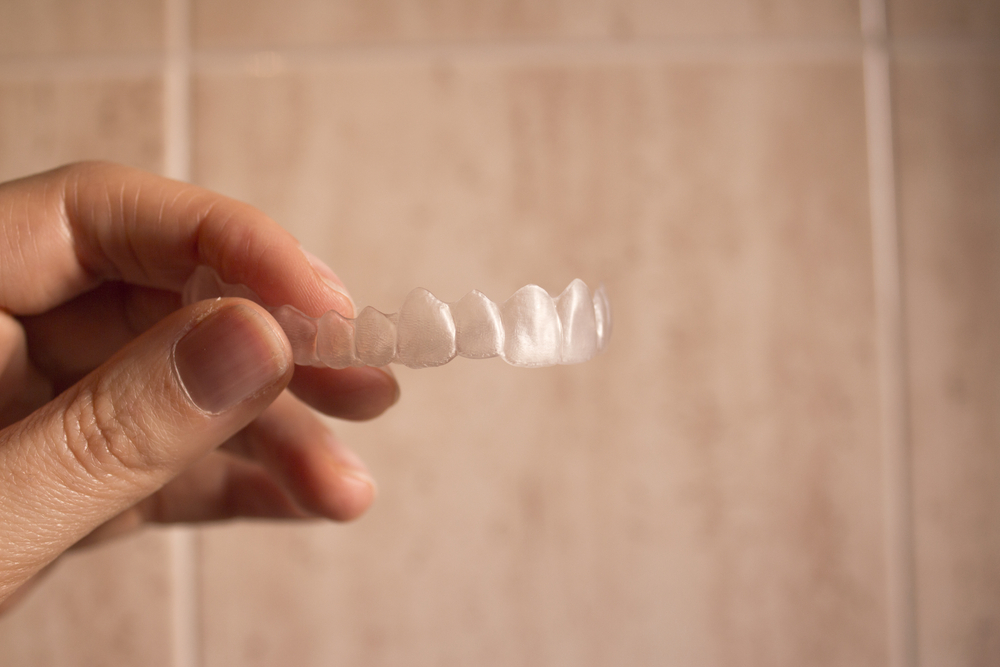
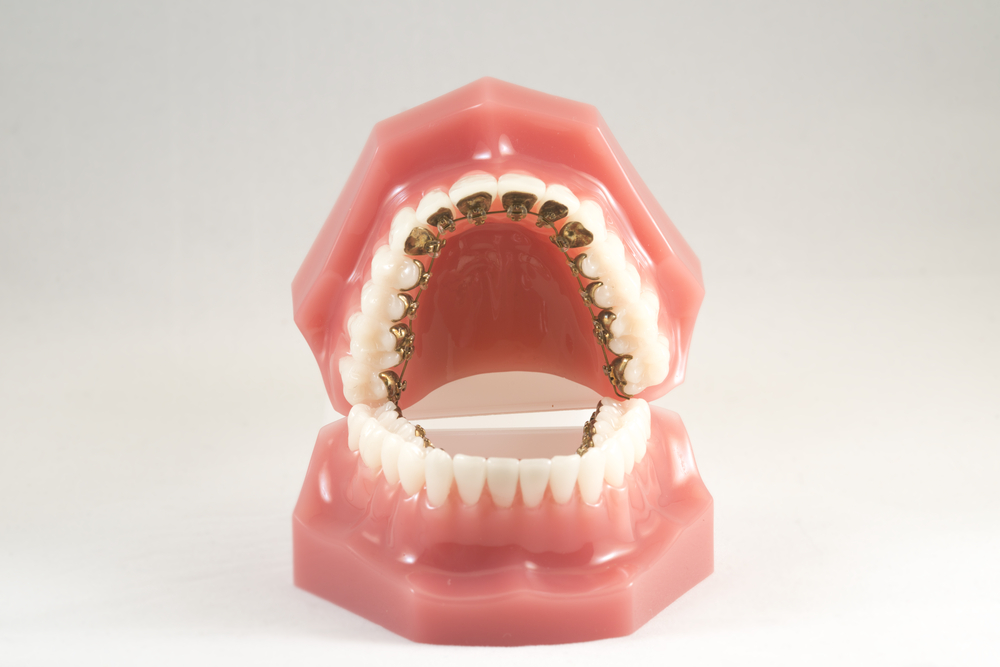
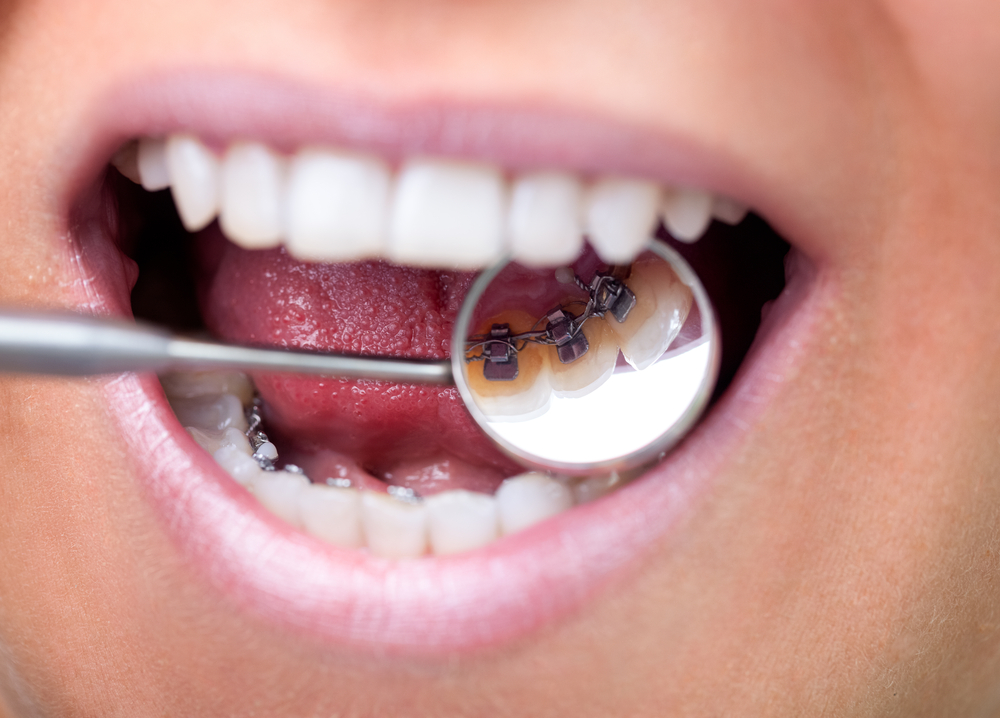
Dentists in Leeds now offer a range of completely modern braces that all address the rather unpleasant aspects of the old style fixed brace. One of the most common complaints against braces has always been the length of treatment but with new treatments like Six Month Smile and the Inman aligner, treatment can now last less than half as long as previously possible. Braces such as Invisalign are almost totally invisible being made of extremely thin clear plastic. And Damon braces, although fixed, use brackets that are made of plastic and ceramic so as to be virtually invisible. The Damon brace is also incredibly comfortable on the teeth and requires no painful tightening sessions with the dentist.

For anyone who may need braces but still remains unsure, talk to your dentist about the array of new treatments available. You’re bound to be pleasantly surprised with the possibilities of modern dentistry.

Variety of teeth straightening systems available at City of Leeds dentist

Tuesday, January 19th, 2010

Teeth straightening is the process of realigning teeth using orthodontic straightening devices, more commonly known as braces. Everyone is probably familiar with braces as they have become incredibly popular over the last two decades, as it became more important to have straighter teeth.

What you might not realise is how the technology has advanced over the last decade providing patients with a variety of different braces beyond the standard fixed metal ‘train tracks’. Those braces were often unpopular with wearers because they caused irritation to the soft tissue and weren’t particularly attractive to look at.

New braces include the Invisalign brace system of clear plastic braces that straighten teeth in almost complete discretion. By using a series of plastic retainers, each worn for a period of a few weeks, the retainers gradually move teeth into the desired position with a significantly reduced impact on the patient’s life.

Braces such as the Six Month Smile and Inman aligner offer straighter teeth in a matter of months rather than years with their focused and fast acting braces. These braces straighten teeth that are visible primarily which allows them to achieve such amazing results. Even fixed metal braces have developed with the Damon brace utilising self-ligating wires to reduce the discomfort during treatment.

You can see that there is a now a brace available for every requirement whether it be discretion or comfort. City of Leeds dentists can assess your suitability and give you a clearer idea of how each of these treatments could benefit your teeth.

Central Leeds dentist offers wide range of options for braces

Monday, November 23rd, 2009

People of a certain age will naturally respond with a shudder at the thought of braces. The unseemly and uncomfortable fixed metal brackets that made it impossible to eat certain foods, made eating normal food messy and worst of all, made you stand out a mile off. Being forced to wear a brace in your teenage years, because that is when braces are most effective, always seemed like some sort of cruel irony, but luckily for this and future generations, orthodontic treatment has definitely changed.

Modern braces are almost unrecognisable from those of the past. Smaller, slicker and more discreet to the point of invisibility, the reign of the train-track metal brace is over. Today, patients are faced with a choice of many different types of treatment, all with their own distinct advantage ranging from the discreet to the ultra fast. If discretion is the top priority, retainer braces such as Invisalign offer teeth straightening with one millimetre thick clear plastic retainers that are almost invisible. They are also completely removable so can be taken out for important occasions and, crucially, for eating. By using a system of twenty or so retainers worn for two to three week periods, Invisalign offers straightening without any aesthetic damage.

For patients looking for a quick fix, after all some braces do require more than two years of treatment, revolutionary new braces such as the Inman aligner and Six-Month Smile can straighten teeth 75 per cent faster than most conventional braces. By focusing more on the teeth visible when smiling, these braces use tooth coloured titanium wires to put the finishing touches to smiles in record time. Because of the incredible straightening power of these new braces, they are increasingly being used in the run up to special occasions and are very popular with brides-to-be.

For perfectly straight results patients can use the newest version of the fixed metal brace. The Damon brace bears a slight resemblance to the old train-track braces, with the emphasis being on slight. The system uses small fixed brackets made of clear plastic and white ceramic and a revolutionary self-ligating wire that requires no tightening.

All these new braces vary in cost and suitability for each patient. A Central Leeds dentist will be able to give a further guide to prices and assess which brace would be most suitable for your teeth. What is for sure however is that thankfully dental technology has progressed and braces are no longer something to be feared.

Orthodontic treatment suggested by Central Leeds dentist

Thursday, September 24th, 2009

Orthodontics is a branch of dentistry that is specifically focused on correcting problems that arise due to malocculsion, more commonly known as bite. Efforts to correct these problems go back to 1000 years BC and orthodontic materials have been found of both ancient Egyptian and Etruscan origin. Historically, orthodontics was primarily concerned with restorative or medical conditions associated with the jaw and bite but more recently it has increasingly been used for more aesthetic or cosmetic reasons.

Although it is always better to start orthodontic treatment as early as possible, this does not mean that orthodontistry is solely about fixing braces to teenagers and, no matter what your age, orthodontic treatment could help improve your teeth’s effectiveness and perfect your smile. Treatment may also be able to rejuvenate the appearance of your face. Some orthodontic procedures can reshape the jaw and neck and other will improve the quality of your profile.

Orhtodontists are usually required to complete an extra two or three years of post-dental school training before they become fully qualified, as they focus specifically on the realignment of teeth and improvement of bite. If you need, or are likely to need orthodontic treatment, you will most likely be referred by your regular dentist. During your first visit the orthodontist will assess your teeth by making a mould and taking x-rays. They will then be able to devise a personal treatment plan. The extensiveness and duration of treatment depend on the nature of the problem and your age. As mentioned earlier, younger patients do respond more quickly to treatment, but with more than 30 per cent of orthodontic patients now being adults, it is never too late to try and fix problems with your teeth. Ask a Central Leeds dentist if you may need to be referred to an orthodontist.