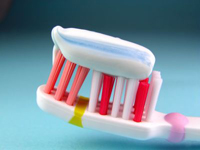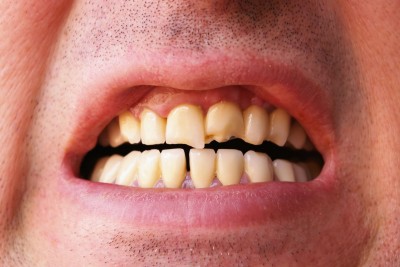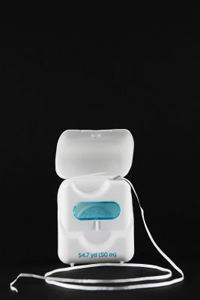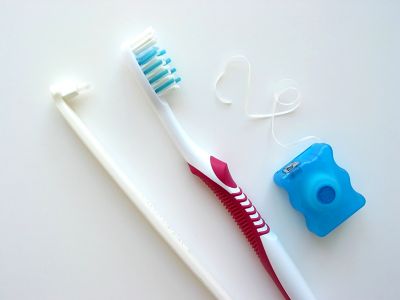




Okay, we’ve got the general idea of how to do the basics when looking after our teeth in central Leeds- good toothpaste and a good brush…that should do it. Well not quite so actually, because as is human nature, we can get a bit complacent by trusting the products we buy and be lazy in the knowledge that what is said on the packet is going to do the job. Not so, for all the best-laid plans can come unstuck: sometimes if you are a little dozy, you may not be quite getting into the places where you need to be with your toothbrush, which is why you need to floss as well. Flossing is an art-form in itself and the reasons behind it should be quite obvious; if you can learn how to get this right, and whatever it takes to do so- from your dentist or from going on-line, then you will be removing oddities from between your teeth and keeping your teeth and gums healthy. Things can get very radical in the mouth extremely quickly so the basics need to be backed with a drop of flossing to ensure you skip dangers such as tooth decay and gum disease and avoid a hefty bill at the dentists.
Posts Tagged ‘flossing’
Beautiful Flossing in Central Leeds
Tuesday, November 29th, 2011Flossing will help your oral health, say dentists in the City of Leeds
Thursday, September 1st, 2011
If you have not flossed before then you are missing out on the benefits that this simple activity will convey on the health of your mouth. The high rates of gum disease in the United Kingdom are perhaps evidence that too few people are flossing or are flossing irregularly or not in the right way. If you are unsure about how you should floss and why then talk to your dentist. This article has the basic information.
Flossing is carried out so that plaque is removed from the spots between teeth which are hard to access with brushing. Plaque hides in between teeth as well as on the surfaces so it is essential that a proper oral hygiene routine involves ridding these areas of plaque too. Cavities can form in teeth if plaque is left in between them and gum disease comes when the gum gets inflamed as a result of exposure to plaque.
Flossing is easy and dental floss does not cost much money. You can purchase dental floss cheaply from super markets and pharmacies and it comes in compact, plastic boxes that can easily fit into a purse or bag for flossing on the move or on holiday. The way to floss is to tear a generous length of floss from the box and hold it securely at both ends. Manoeuvre the floss in between two teeth and pull it back and forth and up and down to remove any plaque and food debris that might be there. It should be done after you have brushed.
City of Leeds dentists have plenty of handy hints about the best ways to floss and how it can benefit your oral health.
Flossing correctly in the City of Leeds
Sunday, June 19th, 2011
Maintaining the health of your teeth in the city of Leeds has never easier, it’s as if there’s a product for every condition in the shops these days and all you need to do is brush and floss a few times a day and that’s it; if you’re doing it correctly, you should have a trouble-free mouth. But are you doing it correctly? Flossing is designed to remove any bits of food that get stuck deep between your teeth that regular brushing can’t, but you need to get it right to achieve a good, deep clean. There’s no point in just running the thread between the teeth. You have to get it taught between your hands and run it all around the tooth and into the gums, and softly too otherwise you could break the floss or damage the gums. Doing this can take a few tries to get right, but once you get into the swing of it, you should be able to remove any bacteria from the teeth. It shouldn’t be seen just as a bolt-on to brushing either, flossing should be done after every meal aside from brushing. Some flosses come with holders and these are perfect for after meal flossing. You should try to fit it into everyday life until it becomes automatic. It can be done when you’re sitting down relaxing, even out for a walk- any time after you eaten something. Getting into this routine will help protect your teeth from all that is bad in the mouth, such as plaque and gum disease.
City of Leeds dentists help patients out with their flossing techniques
Saturday, April 9th, 2011
You should always make time in your daily routine to take care of your teeth. First thing in the morning and last thing at night are the best times. When you sleep your mouth doesn’t produce much saliva so plaque and bacteria can thrive there. Most people brush their teeth as a matter of course but too many people don’t get around to flossing as well. If you are one of those people then you should consider how you might be endangering the good health of your teeth.
Brushing alone cannot reach every single corner of your mouth where plaque exists. It is crucial that you remove as much plaque as possible though, so that dental decay and gum disease can’t take hold. Plaque causes cavities to form in teeth and gums to become inflamed, with an associated risk of tooth loss if the inflammation is not dealt with.
By flossing you will be removing the plaque from between the teeth where your brush is unable to reach. Flossing can be a little painful to begin with as it can cause small lacerations in the gums between your teeth but this should cease after a few days. If bleeding continues then you should seek advice from your City of Leeds dentist.
The thought of having to remember something else to add to your shopping list might give you a small sense of dread but flossing is eminently worth doing if it saves you from having to go through the problems that are caused by dental decay and gum disease. It is always preferable to avoid these things rather than having to deal with the consequences which can be painful and inconvenient.
Bad Breath! Is it curable? A Leeds dentist gives their advice
Thursday, July 15th, 2010
Bad breath, if you`re lucky can be simply down to odorous foods eaten earlier on, if you`re not so lucky it can be down to a poor dental hygiene regime says a Leeds dentist. Some dental patients are even diagnosed with unrelated diseases that can be a cause of poor breath. If you`re diabetic or suffer from a liver disease then this can be the cause, but for most of us it’s a case of a poor hygiene plan. At every dental surgery there is a dental hygiene nurse, and their job is to give that extra after care to patients, especially in preventative dental matters. Start by consulting them, and in the meantime try these simple, but affective ways of cleaning your teeth and keeping acid and bacteria production down. Flossing is the most understated method of clean teeth that is available; it will loosen up and remove the food debris that causes acid. So, start off the day with a good flossing, get floss that suits you as well, ask the people in the chemist to recommend one. After that, brush your teeth vigorously and don`t forget those nooks and crannies. Then rinse your mouth with a good, not a cheap, mouth rinse, and carry with you a tooth pick and floss stick. Every time you eat something, floss and pick, then rinse with water. This will keep acid at bay, and with it the bacteria that causes bad breath, chewing mints will just temporarily hide the problem. Also drink water throughout the day as this too will help.
How to prevent tooth and gum disease, by a Central Leeds dentist
Friday, June 11th, 2010
Tooth and gum is so easily prevented, says a Central Leeds dentist. All it takes is a simple regime in oral hygiene care, it doesn’t have to be complicated it just needs to be planned out using good advice that has been well researched. Where do you get this advice from? You can get it from the dental hygiene nurse at your dental practice. Start by getting the right brush for your teeth, then the right paste. It doesn’t have be the most expensive, just the right one. Your friendly chemist will be happy to advise you on that matter, or even better your dentist. Flossing is also important and so is choosing the correct floss, look at the description on the product to see which one is best for you. Saliva helps to keep down acid strength and production, but your saliva gland will stop working while you sleep, so keep water by your bed. Gum disease is mainly caused by a poor or incorrect oral hygiene regime, this will let acid build up and also attract tartar to your teeth, and both of these will result in you losing your teeth earlier than you should. Gum disease has also now been linked to heart and other organ diseases, this is thought to come about as bad bacteria leaks into the blood system and corrupts the cells in the blood. Just by using a bit of common sense and being regular with your dental care regime, you`ll keep gum disease and early tooth loss at bay. Once gum disease starts to recede your gums, the process becomes irreversible and the damage accelerates with devastating and expensive results. Just remember that prevention is always preferable to getting a problem cured, and all it takes with teeth is a good oral hygiene plan and discipline.
Take good care of your teeth with help from Leeds dentist
Sunday, May 9th, 2010
Taking good care of your teeth is very important. If you look after your teeth well, they will last you a lifetime but the consequences of ignoring dental hygiene can result in pain, expensive treatment and embarrassing dental conditions. From an early age we are all taught how to clean our teeth and the very good reasons for doing so, but often as people get older they become complacent or forget to look after their teeth as well as they can. Leeds dentists are urging all patients to care more for their teeth and can offer tips at check up appointments, as well as looking for any signs of decay.
The best ways to look after your teeth are to clean them effectively and to see a dentist for a check up every six months. Good oral hygiene involves the routine brushing and flossing of teeth. This will remove bacteria and plaque, which will limit the threat of tooth decay and gum disease. Dentists say you should brush twice a day for at least three minutes. Use a soft-bristled brush for maximum effect. Flossing is also very important as it removes food and plaque form the more hard to reach areas, such as between the teeth.
However, even the most dedicated oral hygiene routine can still come under attack from the menace that is decay. This is why it is so important to see a dentist as often as every six months. This won’t give the decay any chance to take serious hold so treatment can be carried out before the problem has become too severe. Dentists will spot the early signs of decay and can help you to alter your routine to defend against it.
Central Leeds dentist explains why you should be flossing daily
Wednesday, April 21st, 2010
Central Leeds dentists are always stressing the importance of flossing to all patients at dental check ups. This is because despite all the evidence that points to the benefits of flossing, there is still only a relatively small percentage of people who actually do it. Nearly everyone brushes their teeth, but many people are perhaps wrongly convinced that this enough.
Just what is it that makes flossing so important? Whereas brushing cleans the flat surfaces of the front and back of the teeth, removing plaque and bacteria that build up after eating, there are many areas in the teeth and around the gums that are very difficult to reach with a conventional brush. This particularly applies to the areas between the teeth and around the base of the teeth in the gap between the gums. These areas are very susceptible to attack from bacteria and plaque, which if not removed will eventually begin to erode the enamel and irritate the gum tissue.
If this is allowed to happen, tooth decay and gum disease will usually follow and this could result in a series of very nasty dental problems. These will then require treatment, which can be unpleasant and very expensive. By brushing, and importantly, flossing correctly every day for a few minutes, you could help to make this a significantly less likely possibility.
Flossing at least once a day with an appropriate floss will help to remove food particles stuck between the teeth. These are breeding grounds for bacteria and can also cause unpleasant bad breath. Flossing around the base of the teeth stimulates the gums and removes trapped food from the small pockets between the soft gum tissue and hard tooth enamel. Ask your dentist at your next appointment about the importance of flossing and ask them to demonstrate the correct technique to avoid damaging your gums.
Brushing alone is not enough say Central Leeds dentists
Friday, March 19th, 2010
Maintaining good oral hygiene is about more than just brushing, yet so many of use rely entirely on brushing to keep our teeth clean and healthy. But we may be playing a dangerous game if we don’t pay enough attention to the other areas of the mouth.
Brushing is obviously very important for the health of our teeth and gums. Brushing twice a day for three minutes with an appropriate brush will remove plaque from the flat surfaces of the teeth, both front and back. Brushing will also gently stimulate the gums helping them to stay healthy and fight off gum disease. But brushing alone may not be enough to clean all the necessary areas of the teeth.
For example, the areas between the teeth are very narrow and difficult to clean with the bristles of a toothbrush. It is the same with the areas around the base off the teeth and between the gums and the teeth. For these small gaps, so often the starting point of tooth decay, it is necessary to use dental floss at least once a day to remove bacteria and plaque to protect your mouth.
As well as flossing, it may be necessary to use and inter-dental brush, especially designed for use between the teeth. Other cleaning tools that are recommended for use by Central Leeds dentists include implements for cleaning the tongue. This could either be special tongue cleaning brush or even a tongue scraper. It is necessary to clean the tongue as it is a perfect environment for bacteria to build up. As well as all these measures it is crucial that you keep up your six-monthly visits to the dentist for check up appointments.
City of Leeds dentist gives oral health tips for child’s healthy smile
Friday, March 12th, 2010
Tooth decay and gum disease affect children more than any other chronic infectious disease. It is therefore very important for parents to ensure that their children’s teeth are as clean and healthy as possible. The alternative is a lifetime of pain and discomfort caused by having bad teeth.
The most important thing a parent can do is to instil good oral hygiene methods on their children early on in life. This will stand them in good stead for a lifetime of healthy teeth. When your child is very young, it will be necessary to clean their teeth for them but as they get older, try to encourage them to brush their teeth as effectively as possible. Try not to force them to do it as this may build up resentment to brushing. Make it a fun game or offer rewards encouraging good teeth cleaning. Also try to teach your children the importance of flossing.
What your children eat is also very important for their oral health. Try to limit the amount of sweet or sugary snacks or drinks they have. This can encourage plaque growth leading to premature decay. If they do have sweets or drinks, keep them to meal times and encourage them to drink water immediately afterwards. This helps to clean the teeth by washing away any sugary remains. Brushing after meals is even more effective.
There are other technical ways parents can help their children’s teeth. Using fluoride toothpaste can help to protect teeth, as can dental sealants. City of Leeds dentist will be able to offer more advice about the benefits and suitability of these treatments. Giving your child the best start in life is very important and this also includes their teeth. See what more you can do by visiting the dentist.