


 If you’ve ever had toothache before, you’ll know that it can really put a dampener on your day. If you’re keen to keep pain at bay, here are 5 things you can do to prevent toothaches:
- Brush twice a day with fluoride toothpaste: brushing is your best bet when it comes to removing harmful bacteria, which cause gum disease and decay, from your mouth. Use fluoride toothpaste, as fluoride helps to strengthen and protect your tooth enamel. Brush in the morning and evening for two minutes each time.
- Book a dental check every 6 months: if you attend regular check-ups, you’ll reduce your risk of developing decay and gum disease significantly. If you haven’t been to the dentist for the last 6 months, now is the time to get in touch!
- See your dentist if you have pain: if you start to notice pain or you experience heightened sensitivity, see your dentist. Don’t wait until your next check-up. Pain is often a sign of a cavity or an infection, so it’s best to get checked out.
- Avoid snacking: when you eat, the bacteria in your mouth release acids, which weaken your enamel on a temporary basis. Your enamel can only resist a limited number of acid attacks, so if you’re grazing throughout the day, it’s very likely that your enamel will become thin and worn. Stick to 3 meals a day and if you do get hungry, choose sugar-free snacks such as raw vegetables.
- Keep an eye on your sugar intake: most people know that sugar is bad for the teeth, but have you ever actually worked out how much sugar you consume each day? You may be surprised to find out that you exceed the recommended intake on a regular basis if you don’t pay much attention to food labels. Use an app or a food diary and try and keep below that RDA.

 Having a pain free set of teeth is something that many of us take for granted. But teeth are an incredibly sensitive part of the body and any pain that you have there will make normal, every day activities such as eating, drinking and talking, that much more difficult. There are a number of causes of dental pain and you should seek the advice of your dentist if it should occur.
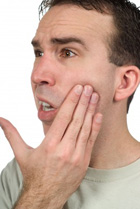 However you live your life in the city of Leeds, if you are starting to suffer from any discomfort or pain, any where in your body, it can be you have an emergency on your hands that could get worse if untreated- it’s the same with a dental emergency. It’s important to understand the nature of what the emergency is, and to be able to take control until you are able to get the proper dental treatment you require. There are certain dentists that run a 24 hours emercengy service, but they certainly won’t appreciate a call out at 3am to stick a veneer back on! Some pains may not require an instant fix, but can be treated by yourself until you get seen. Such pains can be caused by a sudden tooth loss, swelling to the mouth, pain when chewing or bleeding and discharge from the gums. A chipped tooth, loss of a filling or veneer can cause pain to the gums and/or tongue. Loses can be shawed up with gauze or gum, sharp pains can be treated with various painkillers and soothants, available from over the counter. Soreness can be soothed not only by painkillers, but also by herbal remedies that can be rubbed into affetcted areas. All these antidotes will help you until you can get to your dentist. But you should know your body and if you consider it’s a severe situation, call an ambulance- an abcess eruption can kill and if there are any signs of swelling to the face, coupled with extreme pain, immediate treatment is required.
 In the city of Leeds, all of us are born with different thresholds to pain. This is also the case when it comes to any type of dental pain and especially with teething. It’s normally a problem associated with babies, but if you consider the pain that a wisdom tooth can cause as it breaks through the skin, it’s pretty much the same for a baby. It can start as early as 3 months and then anywhere up to 3 years and although some children may not be affected at all by the problem, it can be hell for others. The symptoms normally start around five days before the teeth come through. The gums may swell and the child become agitated, restless and cry a lot, coupled with drooling and the desire to chew on things. But the problems are treatable, not altogether painless, but soothing. Special teething toys are designed for chewing on and there are gels, herbal remedies such as clove oil, and medicines designed to act as a numbing agent and similar to how an adult would approach a toothache or a breaking wisdom tooth. Pain killers are available to babies of a certain age although caution should be taken when choosing this method. If there are any doubts at all on the correct line to take, or should complications arise, a paediatrician should be consulted.
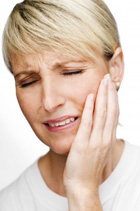 You never really know when you may be struck down with dental pain in central Leeds and it could be in an evening or weekend out of dental hours. It’s important to understand and identify the nature of the aggravation in situations like these, so that if needed, you can ease the problem yourself until treatment can be administered by your dentist. Such pains can arise from a chipped tooth, a filling falling out or a veneer dropping off that can leave a sharp edge in the mouth and expose the gums and tongue to lacerations. Other problems can stem from recent dental treatments such as root canals- these pains generally subside in time, but can be eased by using mild pain killers. Most pain however can stem from a period decay in the mouth and then strikes immediately in the form of a toothache. This is where the nerve is exposed and reacts to cold or hot temperatures or chewing. Again, mild pain killers can be used along with keeping the tooth clean until a dentist can be sought. An abscess, however can cause the face to swell and can poison the bloodstream, developing into an extremely dangerous situation and immediate treatment needs to be administered from a dentist or doctor. Information on such problems can be found at the dentists, or is available on the internet. But the more you understand these problems, the easier it is to self-treat them.
 While tooth pains in general are hard to bear, an impacted tooth can be a very serious source of trouble. A tooth is called impacted when it gets stuck inside the gums or when it comes out at an odd angle. In both cases, it presses continuously against other teeth, causing a lot of inconvenience. If you have an impacted tooth that is pushing against other teeth, you are bound to have a swollen face in addition to which you will suffer quite a bit of pain. Of course, not every impacted tooth causes pain.
 Without the necessary dental care our teeth may be at risk from a number of dental problems. This ranges from mild tooth decay and gum disease to the more serious tooth abscess and even tooth loss. The one thing common to all these forms of dental problem is the pain that accompanies them. Even a mild gum disease could be responsible for causing irritation and pain and the more serious the problem, the more likely it is to cause significant pain.
 Dental pain, ranging from continuous dull throbbing to sharp intense stabbing sensations, is notoriously unpleasant. The reason why dental pain stands out from other types of pain is that it usually stems from the dental nerve which can be very exposed if the tooth is affected by decay.