


 There are a number of things that only your dentist can do at his or her surgery. Procedures like root canal treatment and the fitting of braces are obvious but dentists can also contribute to the cleaning of teeth by using a special process that can only be carried out at the surgery. It is called scaling and polishing and it leaves you with that ‘dentist clean’ feeling in your mouth.
The aim of scaling and polishing is to removed tartar from the teeth and make the teeth less likely to accommodate plaque in the near future. Tartar is basically plaque that has built up to point where it has hardened into a substance that is extremely difficult to remove with home oral care. Brushing alone is not sufficient to remove tartar from the teeth.
The scaling part of scaling and polishing is when the tartar is removed from the teeth using special things like hooks that scrape the tartar from teeth. Then the dentist administers the polishing which makes the surfaces of teeth smoother. Plaque needs a slightly rough surface on which to cling easily and if your dentist can be smoothed by the dentist polishing them then plaque will find it more difficult to stick to teeth.
Your teeth will instantly feel cleaner and you can rest assured in the knowledge that plaque will find it more difficult to find a foot hold in your mouth for a short time at least. The process is a quick and dentists in the City of Leeds usually carry it out as part of the six months check up that you will go to twice a year.
 In life, it’s always best to follow an agenda and lay down a set of plans to ensure that you have given yourself the best chance of avoiding catastrophe in the future. The same analogy can be drawn when caring for your teeth and gums, for one of the greatest dangers that can threaten the health of your teeth and your body in the city of Leeds is gum disease; scarily, it affects three quarters of us at some point in our lives. Yet, it seems ridiculous to think it is so easy to prevent; watching what we eat and then making sure we clean our teeth afterwards should be ample enough to stop it from happening. What you are trying to do with oral hygiene is avoid any films of bacteria resting on the surface of the teeth and developing into plaque and tartar- the causes of gum disease. Attention to the way you brush and floss, and how often you do it, is vital in the fight against gum disease and you’d be wise to do your homework on some herbal back-ups too, for if you find your gums are suffering from bleeding and swelling, these can be a great source of comfort in fighting the problem. Then there’s the best back-up you could hope for- your dentist, and if you pay them a visit regularly, as you should, they will be able to give you the ‘once over’ and remove up any tartar from around the teeth and help you if there are any signs of gum disease.
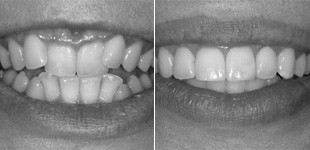
 Everybody wants to know the secrets to looking good because, for better or worse, image is important in the modern world. Hair, clothes and skin play a major part but one thing that people often overlook is how their teeth look. This can have implications for the health of the teeth as well. When you meet a new person or address a meeting of your colleagues, eyes will be drawn to your mouth as you smile and talk so it very important that your teeth look the part, like the rest of you.
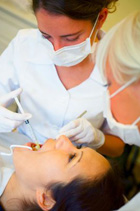 Even the most rigorous and careful brushing at home cannot reproduce that feeling of having had your teeth cleaned by the dentist. They use special equipment that will leave your teeth feeling incredible clean and help to maintain your oral health.
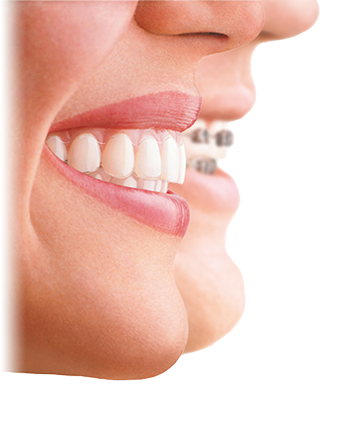
 All dentists will offer you a basic range of procedures to keep your teeth healthy and this will start with a basic check-up. This can involve the taking of X-rays to check the growth of the teeth and the health and condition of your teeth. They will carry out de-scaling of plaque and tartar, fillings, fluoride treatments and extractions and offer any anaesthetics if required to carry out your treatment. If your teeth need straightening, you may require braces or aligners to solve the problem- there are plenty of choices in Leeds. But as we get older, our teeth may grow tired; cracks, gaps, chips and general wear and tear may have set in. We may also suffer from a little gum disease and tooth decay. All these may require work of a cosmetic nature- we may need a little dental bonding, the odd crown, bleaching or veneers if we feel vain enough, just so we can restore that smile to the mouth. A dentist will be able to help you with tooth loss too. You can have a bridge fitted to make up for your loss and in the most extreme situation of all, fit you with dentures. And bringing every thing up to date, implant technology allows not only an odd tooth, and even all the teeth to be replaced, they aid in the fitting of dentures. Everything is available in the city and its all there for you.
 It’s widely considered that everyone in central Leeds should have a bi-annual visit to the dentist because problems in your mouth can build up very quickly and cause further, more serious problems, if left untreated. When you visit your dentist, it’s very likely that you just want to get it over with and get the hell out of there, but really, it should be seen as an opportunity to discuss any problems that may have arisen since your last visit, you can even discuss subjects from oral hygiene and diet to cosmetic dentistry. This also gives the dentist a chance to clean your teeth from plaque or tartar build up, monitor all aspects concerning your teeth such as growth, gum disease, cavities and general wear and tear and administer any treatment you may require to keep your mouth healthy. However, if you start skipping visits, you are putting not only your mouth at risk, but the overall health of your body. Gum disease for example, can threaten your heart and digestive system as well as your teeth, and some treatments can be very expensive. Depending on just how far you’ve let yourself go, the price to rectify any damage done can stretch into thousands and the worst case scenario is losing your teeth altogether. Maintaining regular appointments can greatly reduce problems in the future and help keep your teeth and smile healthy.
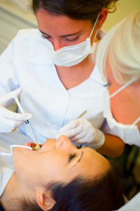 It is the job of an oral pathologist to diagnose disease in the mouth and recommend immediate treatment, writes a dentist in Leeds. The mouth is an important gateway to the body. Hence, maintaining its health and being able to recognise the causes of oral diseases are paramount. Bad oral hygiene, diet, poor immune systems, stress, smoking and heavy drinking can put extreme stresses on the mouth. It can start with plaque and tartar, leading to tooth decay, gum infections, periodontal and salivary disease- abscesses and lesions can develop, as well as oral cancer. If there are any signs of problems, it is the pathologist’s role is carry out extensive examinations using x-rays, radiographs, dental imaging, biopsies and biochemical examinations of the oral and maxillofacial regions in order to come to a precise diagnosis of the disease and then design a course of treatment. This often involves surgery and the pathologist will work closely with other specialists such as orthodontists, endodontists and periodontists to ensure that the best procedures lead to the best results for the patient.
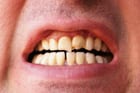 Periodontal or gum disease is a common problem that affects millions worldwide; it is best to get this disorder treated at the very beginning before it flares up and causes serious damage to your oral health. In addition, it can also affect your smile making you lose confidence and shy away from social gatherings. There are various ways by which you can effectively treat gum disease in Leeds.
 Acid production in the mouth is a major cause of bad breath, it isn’t the only cause but it is a good place to start, says a City ofl Leeds dentist. The worse time of the day is at night when you`re asleep, that’s when most damage is done to your teeth enamel from acid. The saliva gland stops working, and that allows your mouth to be used as an acid production factory by the bacteria that comes with your food. It is so important to clean your teeth, floss and rinse before going to bed; this will remove most of the food debris caught in between the teeth. The acid is produced by the bacteria feeding off the debris, with no saliva to neutralise it, it produces excessive amounts that then attacks the enamel. The acid also kills off the bacteria and this is then deposited onto the teeth as tartar, which is the hard, rough coating that your dentist will remove every 6 months on your check ups. Drinking water at night will also keep the acid at bay, then first thing in the morning rinse with a good mouth wash. If you do this as a regular regime, then bad breath will become a thing of the past and good riddance to it. During the day always give your teeth a quick flossing with a floss stick after every time you eat, and keep away from sugary drinks as they contain `food` in the form of sugar and fats for the bacteria to feed off.
 Tooth and gum is so easily prevented, says a Central Leeds dentist. All it takes is a simple regime in oral hygiene care, it doesn’t have to be complicated it just needs to be planned out using good advice that has been well researched. Where do you get this advice from? You can get it from the dental hygiene nurse at your dental practice. Start by getting the right brush for your teeth, then the right paste. It doesn’t have be the most expensive, just the right one. Your friendly chemist will be happy to advise you on that matter, or even better your dentist. Flossing is also important and so is choosing the correct floss, look at the description on the product to see which one is best for you. Saliva helps to keep down acid strength and production, but your saliva gland will stop working while you sleep, so keep water by your bed. Gum disease is mainly caused by a poor or incorrect oral hygiene regime, this will let acid build up and also attract tartar to your teeth, and both of these will result in you losing your teeth earlier than you should. Gum disease has also now been linked to heart and other organ diseases, this is thought to come about as bad bacteria leaks into the blood system and corrupts the cells in the blood. Just by using a bit of common sense and being regular with your dental care regime, you`ll keep gum disease and early tooth loss at bay. Once gum disease starts to recede your gums, the process becomes irreversible and the damage accelerates with devastating and expensive results. Just remember that prevention is always preferable to getting a problem cured, and all it takes with teeth is a good oral hygiene plan and discipline.