


 Most of us associate quitting smoking with improved lung and heart health, but it can also have major benefits for your mouth. If you’re hoping to quit smoking, here are just some of the benefits you could enjoy:
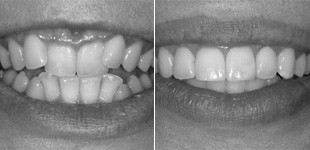
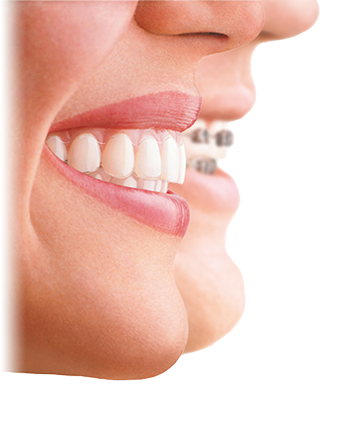
Cleaner, brighter teeth: smoking is one of the leading causes of tooth discolouration due to the presence of chemicals such as tar in cigarettes. If you quit, you can reduce the risk of further staining and look forward to a brighter, cleaner smile.
Fresher breath: smoking is a common cause of bad breath. If you’re self-conscious about your breath or you’re keen to make a positive first impression when you meet people for the first time, giving up smoking is an incredibly positive step.
Lower risk of gum disease: smoking reduces blood flow, which increases the risk of gum disease. By giving up smoking, you can lower your risk of gum disease and improve your body’s ability to heal after treatment.
Reduced oral cancer risk: smoking is the most significant risk factor for oral cancer, a type of cancer that has become increasingly common in the UK over the course of the last decade. Smoking is particularly dangerous when combined with drinking alcohol. If you drink frequently and smoke, you’re more than 30 times more likely to develop mouth cancer than non-smokers who don’t drink.
Giving up smoking is not easy, but it does bring incredible benefits for your teeth and gums, as well as your general health. If you’re thinking of trying to quit, we can help, so give us a call now!
 Chewing gums benefits can be substantial to our oral health. Whether it is to freshen breath or contribute to increased production of saliva, many of us chew gum. Saliva is a vital force in protecting our teeth from the damaging effects of plaque and chewing gum is one of the simplest ways to achieve that.
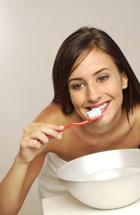 Taking care of your teeth can be simple and straightforward if you diligently follow advice from dentists on how best to look after teeth generally, and more specifically from your own dentist about your own individual hygiene needs.
 Everyone wants to have fresh breath, but the chances are that all of us, at one time or another, has suffered form bad breath. You’ve all seen the adverts on TV promising minty fresh breath all day and all night by using certain gum or mouthwash products but the reality is slightly different. Although these products will mask the smell of bad breath, they don’t prevent the causes of it, and more than likely you will notice it coming back. The only real weapon against bad breath is to take preventative measures. This almost always involves maintaining good standards of oral hygiene.